
Hydriastele
Hydriastele
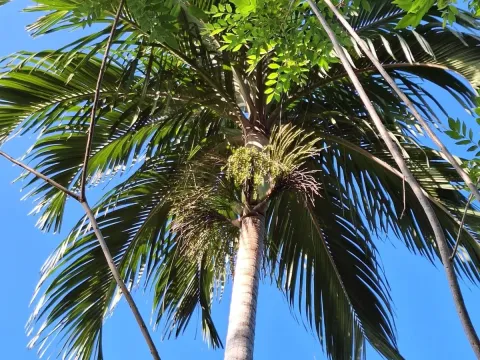
Hydriastele is a genus of slender, single or clustering palms belonging to the Arecaceae family. Native to the tropical rainforests of New Guinea, the Solomon Islands, and parts of Australia, these palms are highly valued for their delicate, graceful aesthetic and lush foliage.
What the section contains


Hydriastele
The cultivation of Hydriastele requires a tropical climate with temperatures consistently ranging between 22°C and 30°C. They are strictly non-hardy and sensitive to cold drafts and sudden temperature fluctuations, which can cause significant physiological stress to the plant.
High relative humidity is essential for the healthy development of these palms. In non-tropical environments, high-quality humidification systems are necessary to replicate their native environment and prevent the browning of leaf tips and edges.
A well-draining, nutrient-rich soil mix is critical for this species. A substrate based on organic peat, pine bark, and perlite ensures adequate aeration while maintaining moisture, preventing the roots from suffocating in compacted or waterlogged media.
Lighting requirements are best met with bright, indirect light. While they can tolerate partial shade, their growth rate and overall vigor are significantly enhanced by optimal light exposure, provided it does not cause thermal stress or dehydration to the leaves.
Hydriastele is susceptible to several common palm pests, with scale insects and spider mites being the most problematic. These pests thrive in indoor conditions with poor ventilation, requiring a proactive approach to integrated pest management.
Fungal issues, specifically Phytophthora rot, are a severe threat triggered by poor drainage or overwatering. Once a plant is affected, the root system decays rapidly, making early detection through soil inspection essential for recovery.
Mealybugs can be challenging to manage due to their tendency to hide in the tight crevices where leaves attach to the stem. Manual removal combined with systemic insecticides is often the most effective method for eradicating these stubborn infestations.
Leaf spot diseases, often caused by fungal pathogens under high-humidity and low-airflow conditions, can leave unsightly blemishes on the foliage. Maintaining air circulation and avoiding overhead watering during cooler periods can significantly reduce the risk of infection.
Regular sanitation, including the removal of dead or decaying fronds, is a vital maintenance practice. This simple step eliminates potential breeding grounds for pests and pathogens, ensuring the long-term health and vitality of the palm in a managed agricultural or conservatory setting.