
Iguanura wallichiana
Iguanua wallichiana
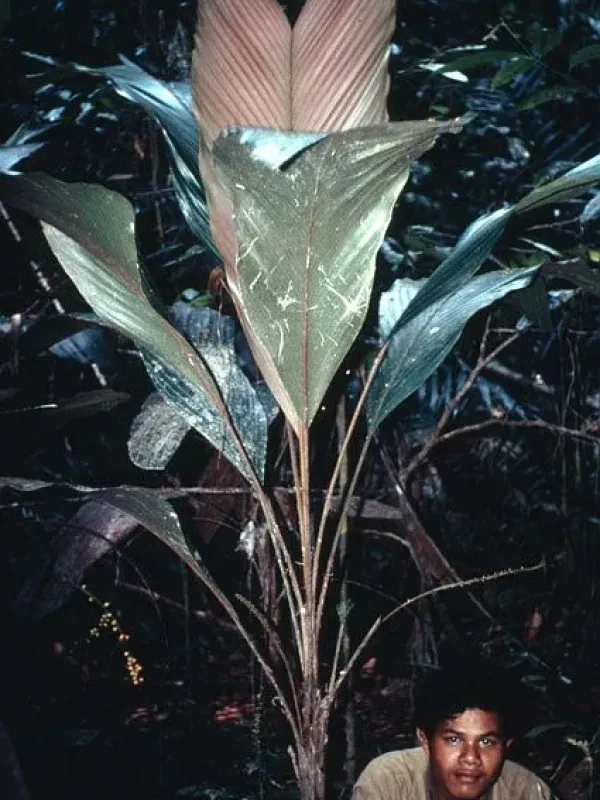
Description
Sowing dates
The sowing of Iguanura wallichiana seeds should be performed in a warm, humid environment to facilitate germination. Using fresh seeds is essential as their viability decreases significantly over time.
Prepare a light, well-draining substrate composed of peat moss and perlite or coarse sand. This mixture ensures adequate oxygen flow to the seeds while maintaining necessary moisture levels.
Maintain temperatures between 25°C and 28°C to stimulate seedling development. Providing bottom heat is a recommended technique to accelerate the germination process during the cooler seasons.
Cover the sowing containers to preserve humidity, but ensure regular ventilation to prevent fungal growth. Seedlings typically emerge within a period of several weeks to a few months.
Once the seedlings have reached a sufficient size, transplant them into individual containers. Handle the delicate root system with care to prevent transplant shock and ensure steady subsequent growth.
Growing requirements
Iguanura wallichiana is a palm species native to tropical environments, requiring consistently high humidity levels. It thrives best in sheltered, humid, and warm conditions similar to an understory habitat.
The soil must be rich in organic matter and possess an acidic to neutral pH. Excellent drainage is non-negotiable, as this species cannot tolerate waterlogged roots, which lead to rapid decay.
Light levels should be kept at a medium intensity, as this plant is evolved for shaded conditions. Exposure to direct midday sun will cause significant leaf damage, including bleaching and necrosis.
Temperature stability is crucial for this plant; it must be protected from cold drafts and sudden drops in ambient temperature. Consistent warmth throughout the year is key to maintaining vigorous growth.
Regular fertilization with a balanced, slow-release fertilizer formula specifically designed for palms will provide the necessary nutrients for deep green foliage and consistent stem development.
Main diseases and pests
Spider mites are a primary concern, particularly in indoor or greenhouse settings where air humidity may fluctuate. Regular misting and proper hygiene help manage these pest populations effectively.
Mealybugs can often be found in the leaf axils, where they feed on plant sap. Early detection and treatment with horticultural oils are effective ways to prevent major infestations.
Root rot pathogens such as Phytophthora are common threats if the growing medium is kept too wet. Ensuring the pots have large drainage holes is the best preventative measure against such issues.
Leaf spot diseases, often caused by poor air circulation and high humidity combined, require the removal of infected foliage and the application of suitable fungicidal sprays.
Consistent monitoring and maintaining optimal environmental parameters are the most reliable strategies for protecting Iguanura wallichiana from common botanical threats.