
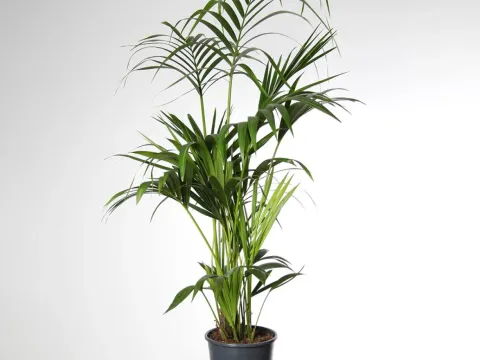
Howea
Howea
Howea is a genus of flowering plants in the palm family, Arecaceae, native to Lord Howe Island. These palms are widely cultivated as ornamental plants due to their elegant fronds and adaptability to indoor environments.
What the section contains

Howea
The plant exhibits a slow growth habit and consists of pinnate, dark green leaves that grow from a single slender trunk. It is highly valued in the nursery industry for its longevity and aesthetic appeal.
To ensure optimal growth, the crop requires bright, indirect light. Exposure to direct sunlight for extended periods can cause leaf scorch and damage the delicate tissues of the palm.
The ideal soil for Howea should be well-draining and nutrient-rich, preferably a mix of peat, pine bark, and perlite. A pH balance between 6.0 and 7.0 is considered optimal for nutrient uptake.
Watering requirements are strict: the soil should be kept consistently moist but never waterlogged. During winter, irrigation frequency must be reduced to accommodate the plant's natural dormancy.
The most common pests affecting Howea include spider mites, scale insects, and mealybugs. These pests typically congregate on the underside of the leaves, sucking sap and weakening the plant.
Root rot is the most serious disease, caused by overwatering or poor drainage systems. It can quickly lead to the death of the root system if not addressed immediately.
Fungal leaf spots, such as those caused by Phyllosticta or Gliocladium, can occur in poorly ventilated environments. Proper air circulation is essential for disease prevention.
Treatment involves applying systemic insecticides for pest control and specialized fungicides for fungal infections. Sanitation, such as removing dead foliage, is a key preventative measure.
Agricultural monitoring programs are recommended to detect infestations at early stages. Consistent plant health checks significantly improve the commercial yield and quality of the palm.