
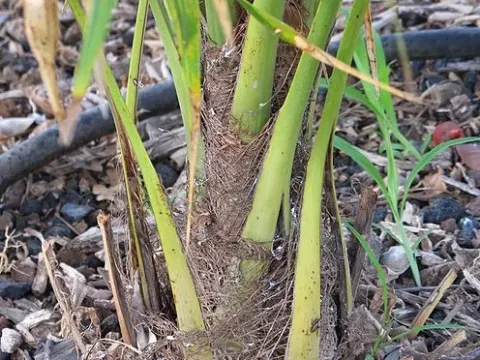
Hemithrinax
Hemithrinax
Hemithrinax is a genus of fan-leaved palms within the Arecaceae family. These palms are endemic to specific limestone regions in Cuba, which defines their strict environmental requirements for survival and healthy growth.
What the section contains

Hemithrinax
Botanically, these palms are characterized by their stiff, circular fan leaves and relatively slow growth patterns. They are highly sought after by collectors for their unique structural aesthetics and the rarity of the genus in cultivation.
Soil requirements are quite specific: the substrate must be highly porous, inorganic, and alkaline, mimicking the natural limestone cliffs where they originate. A potting mix with high pumice or perlite content is recommended for container-grown specimens.
Climatic needs are strictly tropical. Hemithrinax requires constant temperatures, high humidity, and excellent air circulation to thrive. They are not frost-tolerant and will suffer irreparable damage if exposed to near-freezing temperatures.
Maintenance involves precise irrigation. Overwatering is the most common mistake made by cultivators; the root zone must dry out sufficiently between waterings to prevent the onset of anaerobic conditions that lead to root rot.
Root pathogens represent the most significant threat to the survival of the palm. Fungal infections thrive when the drainage is insufficient, often attacking the base of the stem or the root system silently.
Insect pests such as scale insects and mealybugs are major concerns in indoor or greenhouse settings. They tend to hide deep within the fibrous leaf bases, making them difficult to detect until an infestation is well-established.
Spider mites are a persistent problem in low-humidity environments. Regular misting or the use of humidifiers is essential to deter these pests from colonizing the delicate leaf surfaces of the palm.
Physiological stress caused by improper lighting can manifest as leaf tip burn or overall yellowing. While the palms need bright light, direct scorching sun in a controlled environment can damage their tissues.
Cultural management should prioritize strict sanitation. Removing dead or decaying organic matter from the plant base reduces the risk of fungal spores taking hold, ensuring the palm remains healthy for years.