
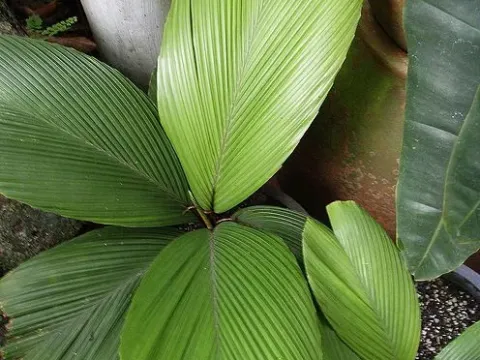
Iguanura
Iguanura
Iguanura is a genus of flowering plants in the palm family, Arecaceae, native to the tropical rainforests of Southeast Asia. These palms are characterized by their slow growth rate and elegant foliage structure.
What the section contains


Iguanura
The climate requirements for Iguanura are strict, as it thrives only in warm, humid tropical environments. Temperatures should remain between 22 and 28 degrees Celsius, avoiding any sudden drops or chilly drafts.
Soil management is critical for this crop. It requires a well-draining, nutrient-rich substrate, typically composed of peat, coco coir, and perlite, which ensures the root system remains aerated while retaining moisture.
Agricultural techniques involve providing filtered light, as direct tropical sunlight can cause severe leaf scorch. In cultivation, shade cloth or canopy structures are essential for maintaining the health of the leaves.
Iguanura is primarily utilized for ornamental purposes in luxury indoor landscaping, conservatories, and botanical collections. Its aesthetic value is derived from its unique leaf architecture and compact growth habit.
The primary threats to Iguanura health include fungal infections caused by waterlogged soil conditions, which lead to root rot and eventual plant decline.
Leaf spot diseases, often triggered by insufficient air movement in closed greenhouse environments, can severely damage the ornamental value of the foliage.
Insect pests, specifically scale insects and spider mites, represent a significant concern. They thrive in dry air and can cause rapid defoliation if left unchecked.
Effective management requires maintaining high hygiene standards in the growing area, including the immediate removal of any yellowing or diseased leaves.
Integrated pest management, including regular monitoring and the selective use of mild systemic pesticides, is recommended to preserve the plant's structural integrity.