
Pergularia daemia
Pergularia daemia
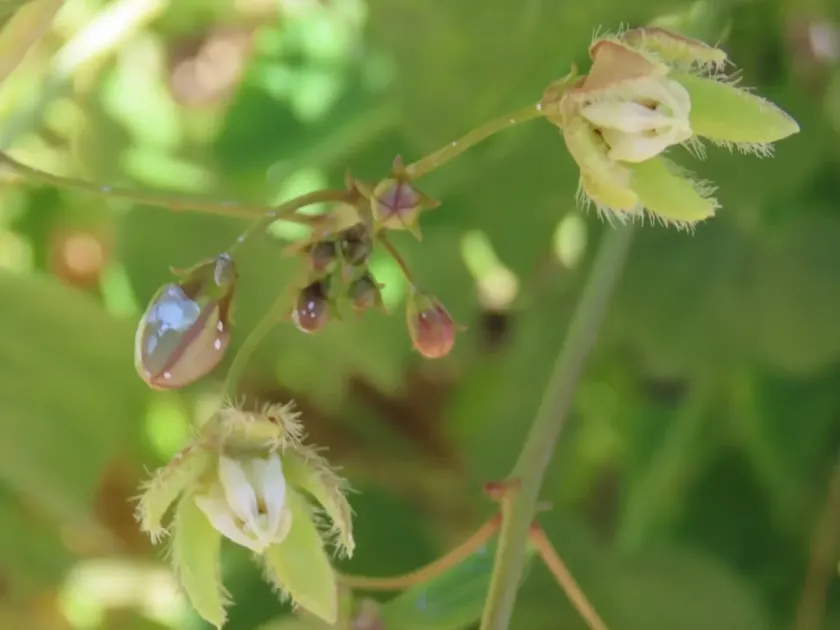
Description
Sowing dates
The planting of Pergularia daemia is typically initiated in the spring season when soil temperatures remain consistently above 22 degrees Celsius. Optimal germination is achieved under stable thermal conditions, ensuring the seeds establish a strong root system before the peak heat of summer.
Seed preparation is crucial for success; soaking seeds in warm water for 24 hours prior to sowing significantly improves the uniformity of emergence. Seeds should be planted at a shallow depth of approximately 1.5 to 2 centimeters in a loose, well-aerated seedbed.
In professional nurseries, trays or biodegradable pots are utilized for early seedling development. Once the plants reach a height of 15-20 centimeters and possess a sturdy root system, they are transplanted to their permanent site in the open field.
Spacing is a vital parameter in agricultural management. Providing a distance of at least 75 centimeters between individual plants ensures that the vigorous climbing vines have enough space to spread and access sufficient light without excessive competition.
Effective weed control during the seedling stage is essential for the healthy establishment of the crop. Manual weeding or the application of organic mulch around the plant base helps retain moisture and prevents the encroachment of competing vegetation.
Growing requirements
Pergularia daemia is a perennial climbing plant belonging to the Apocynaceae family. It is naturally adapted to tropical and subtropical climates, thriving in areas with high solar radiation and consistent warmth throughout the growing season.
The ideal soil profile for this plant includes sandy loam or loamy soils with excellent drainage properties. While the species is moderately tolerant to drought, it requires a well-structured soil that avoids prolonged waterlogging, which often leads to root distress.
As a vine, Pergularia daemia mandates the use of climbing supports. Trellises, wire meshes, or bamboo structures are standard in cultivation to lift the foliage off the ground, thereby facilitating better air circulation and reducing the risk of fungal infections.
The plant demonstrates a high demand for nutrients during the period of intensive vegetative growth. Fertilization programs should include a balanced mix of nitrogen, phosphorus, and potassium, tailored to the specific nutrient status of the regional soil.
Regular irrigation is necessary to support biomass production, especially during the flowering stage. Drip irrigation systems are highly recommended for this crop as they provide water directly to the root zone while keeping the leaves dry, which promotes overall plant health.
Harvesting
Harvesting strategies for Pergularia daemia depend on the intended commercial use of the plant parts, such as leaves, roots, or seeds. Leaves are typically gathered throughout the growing season, focusing on mature, healthy tissue while avoiding damage to the main stem.
The harvesting of roots is carried out at the end of the growth cycle, usually after the aerial parts begin to lose their vigor. This process requires careful excavation to prevent fragmentation of the root system, followed by thorough cleaning.
Seed pods are harvested once they show signs of maturity, specifically changing color from green to shades of brown or gray. It is critical to harvest them before natural dehiscence occurs, which would otherwise result in significant yield loss.
Post-harvest processing involves drying the plant material in controlled, shaded environments to preserve the delicate bioactive compounds. Proper ventilation is key to preventing mold formation during the drying process, which can take several days depending on humidity.
Storage of the finished produce should occur in cool, dry, and dark conditions. Proper packaging in breathable containers maintains the quality of the raw material, ensuring that the botanical integrity remains intact for subsequent pharmaceutical or industrial extraction.