
Periploca sepium
Periploca sepium
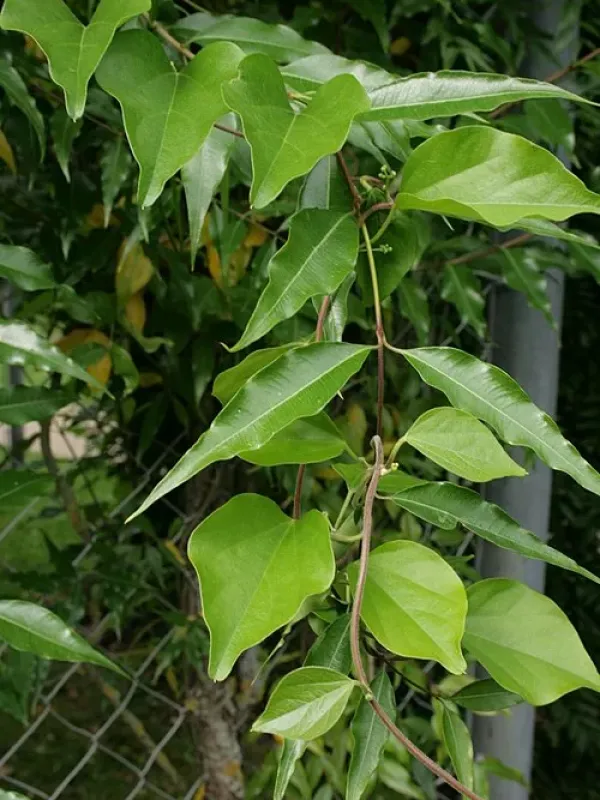
Description
Sowing dates
Periploca sepium is propagated primarily through seeds or softwood cuttings. Seeds require a period of stratification to break dormancy and ensure consistent germination rates when sown in spring.
For optimal results, seeds should be sown in a well-draining, nutrient-rich soil mix. Maintaining a consistent temperature between 20 and 22 degrees Celsius is essential for successful seedling emergence.
Cuttings should be taken during the mid-summer period, selecting healthy, non-flowering stems. Using a rooting hormone significantly improves the establishment of new plants in container or nursery environments.
When transplanting to a permanent site, ensure that the soil is loose and aerated. Planting density should be carefully managed, as this vigorous climber requires significant space to expand its foliage.
Vertical growth support is mandatory from the early stages of development. Sturdy trellises or fence structures should be installed before the plant begins its rapid vegetative growth phase.
Growing requirements
This species thrives in full sun but can tolerate partial shade. It prefers deep, fertile, and well-drained soils, showing a particular affinity for neutral to slightly alkaline pH levels.
While the plant exhibits moderate drought tolerance once established, consistent soil moisture is required during the first two years of growth. Avoiding waterlogged soil is crucial to prevent root system degradation.
Periploca sepium is generally considered hardy, though it benefits from protective mulch during severe winters in colder regions. Mature plants are better equipped to withstand fluctuating temperature conditions.
Fertilization with a balanced NPK ratio in early spring supports healthy stem development. However, excessive nitrogen application should be avoided as it may promote vegetative growth at the expense of overall plant resilience.
Pruning is a vital maintenance task performed in early spring. Removing dead or overlapping branches ensures better air circulation and light penetration, which are key to preventing foliage diseases.
Main diseases and pests
The plant possesses inherent chemical defenses, such as cardiac glycosides, which make it relatively resistant to many common pests. Nevertheless, aphids can occasionally infest tender new growth.
Fungal issues like powdery mildew may arise if the plant is grown in areas with poor ventilation. Implementing a proper spacing strategy effectively mitigates these risks during humid weather conditions.
Root rot is the most serious threat to Periploca sepium and is almost exclusively linked to overwatering or poorly drained substrates. Soil quality management is the primary preventative measure.
Spider mites may appear during prolonged hot and dry periods. If identified, specialized acaricides or horticultural oils should be used to protect the integrity of the leaves and stems.
Routine inspection is recommended to identify early signs of pathogen stress. Keeping the planting area clean of fallen debris helps prevent the accumulation of potential inoculum for various soil-borne diseases.