
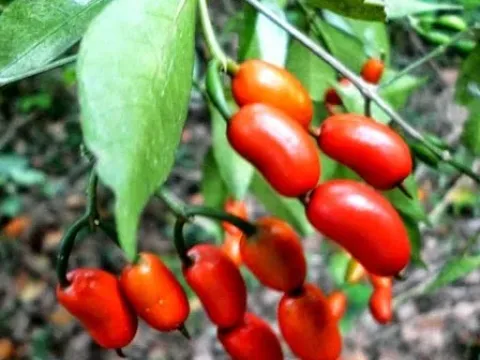
Petchia
Petchia
The genus Petchia belongs to the Apocynaceae family, representing a group of evergreen shrubs or small trees. These plants are native to the tropical forests of South and Southeast Asia, with a significant concentration of species found in Sri Lanka.
What the section contains

Petchia
Successful cultivation of Petchia requires strict adherence to tropical environmental parameters. The plant thrives in consistently warm temperatures, ideally ranging between 22 and 30 degrees Celsius, and cannot tolerate frost or significant temperature drops.
Soil requirements for Petchia include a well-draining, nutrient-rich medium. Since these plants are susceptible to root rot, the substrate should be porous and slightly acidic to neutral in pH to encourage healthy root development.
Petchia prefers bright, indirect light. While it requires light for photosynthesis, direct afternoon sunlight should be avoided to prevent leaf scorching. In indoor settings, placing the plant near an east or west-facing window is usually sufficient.
Consistent moisture management is essential for this culture. Watering should be done whenever the top layer of the soil begins to dry out, while high humidity levels should be maintained through misting or the use of a humidity tray.
Petchia is susceptible to common greenhouse pests, including mealybugs and scale insects. These pests feed on sap and can significantly weaken the plant if left unchecked, requiring manual removal or the application of horticultural oil.
Spider mites are another frequent problem, especially when the environment is too dry. Maintaining optimal humidity levels is the primary cultural defense against these microscopic pests.
Fungal diseases, particularly root and stem rot, are the most severe threats to Petchia. These conditions are almost always linked to overwatering or poor drainage, which creates an anaerobic environment in the soil.
Leaf spot diseases may occur if the foliage remains wet for extended periods. To mitigate this risk, it is important to water the soil directly and ensure good airflow around the plant canopy.
To keep the plants healthy, implement a regular scouting program to detect pests early. Using biological controls or targeted insecticides can prevent the spread of infestations to other plants in the collection.