
Pergularia tomentosa
Pergularia tomentosa
Description
Sowing dates
Pergularia tomentosa is a perennial climbing shrub that reproduces through seeds in its native desert habitats. In a cultivated setting, seeds should be sown in sandy, well-draining soil during periods of warm, consistent temperatures.
The sowing depth should be kept shallow, approximately 1-2 centimeters, to allow the seeds adequate exposure to heat and light. Proper drainage is essential to prevent seed rot before germination occurs.
Using seedling trays is a recommended practice to provide controlled environments for the fragile initial growth phase. Once the seedlings develop a robust root system, they can be transplanted into the main growing area.
Seed preparation, such as gentle scarification, can significantly improve germination rates. This method helps overcome the physical dormancy of the seed coat, leading to a more uniform crop stand across the field.
Sowing should be scheduled to avoid any risk of frost, as the species is highly sensitive to cold weather. The crop requires a long, warm growing season to achieve full maturity and accumulate necessary phytochemicals.
Growing requirements
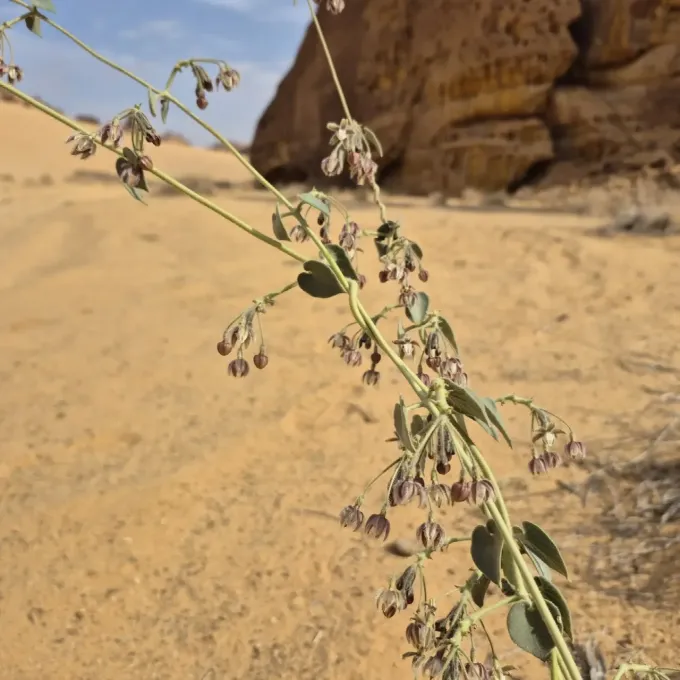
This crop belongs to the Apocynaceae family, known for its members' resilience in harsh environments. The plant typically features a trailing growth habit with tomentose (woolly) leaves that protect it from high temperatures.
The plant thrives in regions characterized by intense sunlight and low humidity. It is an excellent candidate for agricultural diversification in arid climates where traditional crops struggle with severe drought.
Soil requirements focus on high permeability and sand content. Heavy, water-logged soils are detrimental to the root health of this species, often leading to rapid decline or fungal infections if not managed correctly.
Irrigation must be strictly controlled, providing only enough moisture to sustain growth without saturating the soil. In many cases, the plant can rely entirely on natural moisture levels once it is well-established.
Optimal development occurs at temperatures between 25 and 35 degrees Celsius. Protection from high-velocity, cold winds is also recommended to maintain the integrity of the aerial parts of the plant during its active growth phase.
Main diseases and pests
Despite its toughness, Pergularia tomentosa can be susceptible to specific pests commonly found in warm, arid environments. Root-knot nematodes can pose a significant risk if the soil has not been properly managed before planting.
Aphids and whiteflies occasionally infest the tender leaves of the plant, especially during the early growth stages. Integrated pest management (IPM) strategies, including biological control, are preferred to maintain the quality of medicinal raw material.
Fungal pathogens represent the most significant threat to the crop, usually arising from poor drainage or overwatering. Root rot and leaf spots can spread rapidly if the humidity around the canopy remains too high for extended periods.
Prevention involves maintaining proper spacing between plants to encourage airflow. This practice reduces the risk of humidity pockets and creates an unfavorable environment for fungal development and spread.
Regular monitoring of the plant canopy is essential for early detection of potential threats. Removing infected parts immediately can prevent localized infestations from becoming widespread problems that could impact the overall crop yield.
Harvesting
The primary agricultural objective for this crop is the harvest of biomass for medicinal and scientific use. The leaves and aerial stems contain bioactive compounds that are highly valued in phytopharmaceutical research.
Harvesting should occur during the peak flowering stage to ensure the highest concentration of active metabolites. Care should be taken to prune only the required amount of biomass to allow the plant to continue its vegetative cycle.
Once harvested, the material must be dried in a shaded, well-ventilated area. Rapid drying is essential to prevent degradation of the active components caused by high humidity or excessive sunlight exposure.
Packaging of the dried product should involve breathable containers to maintain quality during storage and transit. Keeping the product in a dry, cool, and dark place ensures a longer shelf life for the bioactive components.
Consistent record-keeping during the harvest process is critical for quality control. Evaluating the quality of each batch ensures that the medicinal output meets the strict requirements of pharmaceutical standards.