
Pentatropis microphylla
Pentatropis microphylla
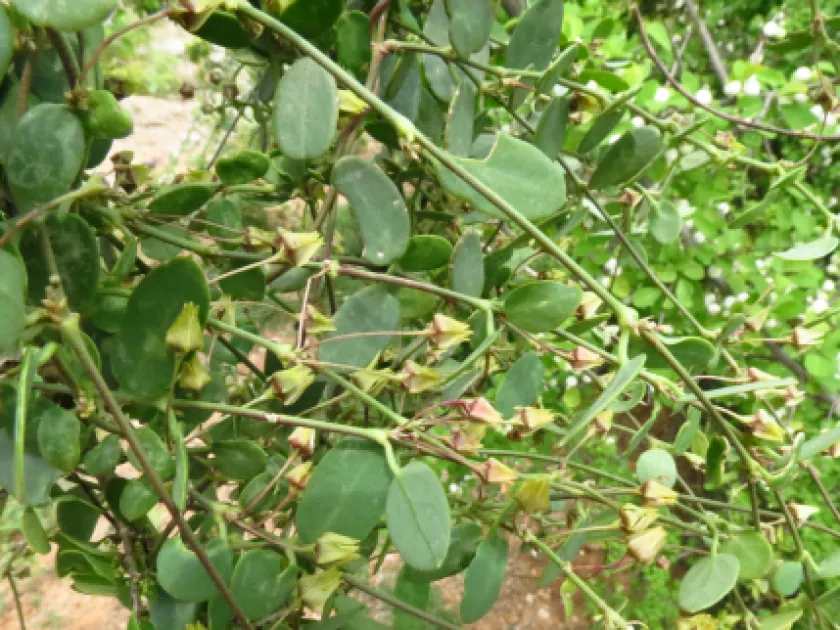
Description
Sowing dates
Pentatropis microphylla is a perennial climbing plant belonging to the Apocynaceae family. It is recognized for its slender, twining stems and potential for medicinal use, often found in tropical and subtropical climates.
Sowing should take place in early spring when temperatures consistently reach 20-25 degrees Celsius. The seeds require well-draining, loose soil to prevent fungal infections that often affect small seeds during the germination phase.
In professional settings, starting seeds in seedling trays within a greenhouse environment provides the best control over environmental variables. This technique ensures a higher survival rate compared to direct sowing in the open field.
The substrate for sowing must be light, incorporating components like peat moss or vermiculite to facilitate easy root penetration. Maintaining consistent moisture is essential, but over-watering must be strictly avoided.
Once seedlings develop their second set of true leaves, they are ready to be transplanted. Proper spacing between plants is crucial to ensure that once they start climbing, they do not compete too aggressively for sunlight.
Growing requirements
This crop thrives in sunny, well-lit environments. Exposure to direct sunlight is essential for the development of its secondary metabolites, which are often the primary focus of harvesting the plant's biomass.
Soil requirements for Pentatropis microphylla include a balanced, slightly alkaline to neutral pH level. The soil structure should be loamy or sandy, ensuring water drains efficiently away from the root collar.
As a climbing plant, Pentatropis microphylla requires structural support. Trellises, wire meshes, or bamboo sticks are common agricultural tools used to keep the foliage off the ground, which improves airflow and harvesting efficiency.
While the plant is relatively drought-tolerant, consistent watering regimes during the intensive growth season will significantly boost biomass production. Drip irrigation systems are highly recommended for this crop.
Nutrient requirements are modest but steady. Balanced NPK fertilizers applied at low concentrations during the growing season can help maintain vibrant, healthy foliage and improve the overall yield of the crop.
Yield
The commercial harvest of Pentatropis microphylla focuses primarily on its leaves and tender stems. Yield is measured by the total weight of dried biomass obtained throughout the growing season.
Well-maintained plantations can support multiple harvests per year. By strategically pruning the plants, farmers can encourage bushier growth and increase the total harvest volume per hectare.
The concentration of active ingredients in the harvested material tends to peak during the vegetative stage. Proper timing of the harvest is therefore critical to ensure the highest market value for the raw pharmaceutical material.
Productivity generally stabilizes in the second year of cultivation. Maintaining the health of the perennial root system is the most important factor in ensuring long-term yield consistency over several growing seasons.
Efficiency in drying and storage processes directly impacts the final profit. Rapid post-harvest processing ensures that the chemical composition of the plant remains intact, meeting the requirements of industrial buyers.
Main diseases and pests
Spider mites are the most common pest, particularly in hot and dry climates. They can cause significant leaf damage if left uncontrolled, which negatively affects the plant's ability to photosynthesize effectively.
Fungal pathogens such as powdery mildew thrive in conditions with poor air circulation. Proper pruning and maintaining the right distance between plants are fundamental preventive measures for any agricultural manager.
Root rot is a major threat linked to excessive irrigation or soil compaction. Ensuring that the soil remains oxygenated is crucial for maintaining the health of the plant's root system over its lifespan.
Aphids may target tender young shoots during the spring. Integrated pest management strategies, including the use of beneficial insects, can help mitigate these infestations without resorting to heavy chemical inputs.
Regular field scouting is mandatory to detect pest or disease pressure early. Implementing a systematic monitoring plan allows for localized intervention, preventing the need for broad-spectrum pesticides on the entire crop.
Harvesting
Harvesting should be done using clean, sharp blades to ensure that the stems heal quickly. Damaging the plant through poor cutting techniques can lead to entry points for pathogens and overall decline in productivity.
Harvesting in the early morning is recommended to ensure that the moisture content of the leaves is optimal and the plants are not stressed by heat. This practice also helps in maintaining the quality of the phytochemicals.
After cutting, the biomass must be moved immediately to a processing site. Allowing cut foliage to sit in piles can lead to rapid enzymatic degradation and fermentation, which spoils the quality of the product.
Drying racks should be located in a shaded area with excellent airflow. Controlled dehydration prevents the growth of unwanted microbes and ensures that the final product reaches the target moisture levels.
Once dried, the product should be stored in opaque, moisture-resistant packaging. Proper labeling with harvest dates and batch numbers is essential for traceability and quality control within the supply chain.