
Pentatropis nivalis
Pentatropis nivalis
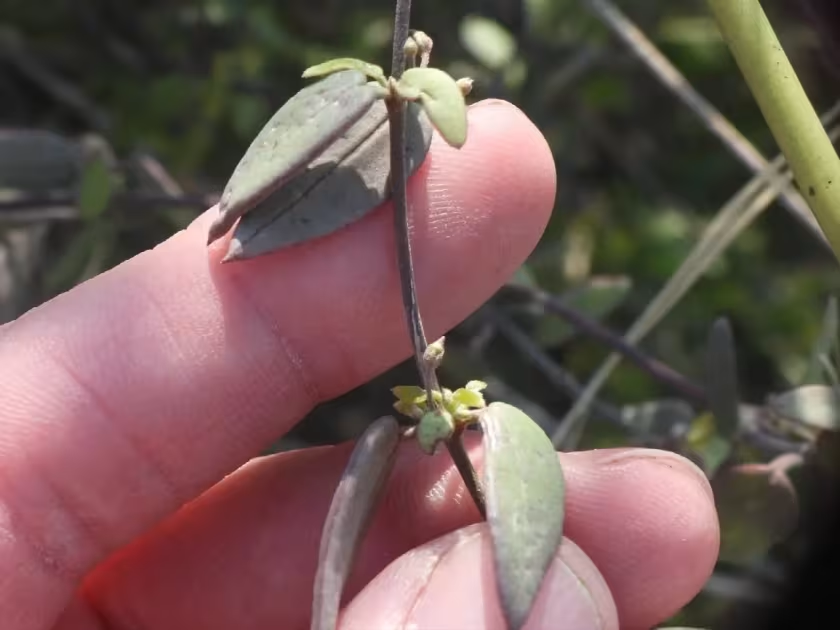
Description
Sowing dates
Pentatropis nivalis is a perennial climbing plant belonging to the Apocynaceae family. When cultivating this species, it is essential to ensure proper seed preparation, as the seeds often possess a natural dormancy period that requires pre-treatment for optimal germination rates.
Sowing should take place once the soil has reached an adequate temperature following the final frost of the season. The seeds should be planted at a shallow depth of approximately 1 to 2 centimeters, ensuring they remain in contact with moist soil without being buried too deep to emerge.
Maintaining consistent soil moisture is crucial during the initial germination phase. If the soil becomes too dry, the delicate seedlings may fail to establish, leading to significant losses in stand density before the plant enters its rapid growth phase.
In regions with fluctuating weather, starting seeds in a nursery or under controlled conditions can greatly increase the success rate. Once the seedlings have developed their first true leaves, they can be transplanted to their permanent location with careful handling of the root system.
For commercial production, planting density should be adjusted based on the intended harvest method. Whether for biomass or seed production, providing enough space per plant helps to improve individual plant vigor and simplifies the subsequent maintenance tasks.
Growing requirements
This species is well-adapted to semi-arid climates and thrives in well-drained, sandy or loamy soils. It is highly sensitive to waterlogging, so ensuring excellent drainage in the planting area is fundamental to the long-term health of the crop.
Pentatropis nivalis requires high solar exposure to maintain active growth and metabolic functions. It prefers long daylight hours and high temperatures, which align with its native distribution in arid regions across Africa and the Middle East.
Water requirements are moderate; however, the plants must receive consistent moisture during the peak vegetative stage to maximize biomass accumulation. Drought stress can trigger a dormancy response, where the plant sheds foliage to conserve water resources.
As a climbing plant, Pentatropis nivalis necessitates the installation of support structures such as trellises or stakes. This not only encourages vertical growth but also significantly improves air circulation around the canopy, reducing the incidence of foliage diseases.
Regarding soil fertility, a balanced fertilizer application with an emphasis on potassium and phosphorus is recommended. These nutrients assist in building structural strength and enhancing the plant's natural resistance to environmental stressors like heat or wind.
Yield
The yield of Pentatropis nivalis is highly dependent on effective management practices, particularly the availability of water and nutrients during the growing season. Under optimal conditions, multiple harvests of foliage can be achieved within a single year.
Productivity is significantly enhanced by regular pruning, which promotes branching and thickens the foliage canopy. Pruning at the correct height allows for rapid regeneration from the root crown, ensuring that the plant recovers quickly for subsequent growth cycles.
Seed production requires a stable, warm climate during the flowering and fruit-setting stages. Harvesting must be timed accurately to prevent seed loss due to natural capsule dehiscence, which occurs as soon as the fruits begin to dry in the field.
To optimize the overall harvest volume, implementing soil mulching is a recommended technique. Mulch helps regulate soil temperature and minimizes evaporation, creating a more stable root environment that supports sustained growth throughout the summer months.
Individual yield potential varies by ecotype, but consistent attention to the plant's health and density ensures that a productive harvest is achievable. Monitoring the plant's progress allows for adjustments in water and nutrition to be made in real-time.
Main diseases and pests
The primary pests affecting Pentatropis nivalis include aphids and spider mites, particularly in hot and dry weather conditions. These pests feed on sap, which can stunt plant growth and reduce the overall quality of the harvested biomass if left untreated.
Fungal diseases, including powdery mildew, can become a major threat if humidity levels are high and air circulation is poor. Proper spacing and the use of trellises are the most effective cultural methods for mitigating these risks naturally.
Root-knot nematodes represent a significant risk, particularly in fields where this crop is grown repeatedly without proper rotation. Integrating a diverse crop rotation system is necessary to break the pest cycle and maintain soil health over time.
Caterpillars of certain butterfly species may feed on the leaves, leading to reduced photosynthetic capacity. Regular scouting for early signs of herbivory allows for swift intervention using mechanical or biological control methods to preserve crop integrity.
Early detection of both diseases and pests is essential for effective management. Maintaining clean tools and ensuring that planting material is sourced from healthy stock are critical steps in preventing the introduction of pathogens to the production area.