
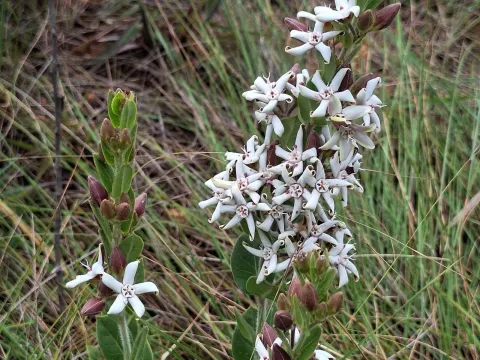
Oxypetalum
Oxypetalum
Oxypetalum, frequently referred to in horticulture as Tweedia, is propagated by seeds sown in late winter or early spring. Proper seed preparation is essential to ensure high germination rates.
What the section contains
 Oxypetalum appendiculatum
Oxypetalum appendiculatum
Oxypetalum appendiculatum
 Oxypetalum banksii
Oxypetalum lutescens
Oxypetalum lutescens
Oxypetalum banksii
Oxypetalum banksii
Oxypetalum lutescens
Oxypetalum lutescens
 Oxypetalum martii
Oxypetalum minarum
Oxypetalum minarum
Oxypetalum martii
Oxypetalum martii
Oxypetalum minarum
Oxypetalum minarum
 Oxypetalum montanum
Oxypetalum montanum
Oxypetalum montanum
 Oxypetalum strictum
Oxypetalum strictum
Oxypetalum strictum
 Oxypetalum umbellatum
Oxypetalum umbellatum
Oxypetalum umbellatum
Oxypetalum
Seeds should be sown in a light, well-draining substrate without deep burial. The ideal temperature for successful germination is maintained between 20–22 degrees Celsius.
Seedlings require pricking out after the appearance of the first two true leaves. Gentle handling is crucial to avoid damaging the delicate root system during the transfer process.
In greenhouse environments, seedlings are transplanted to their permanent location only after the risk of late frosts has completely passed and temperatures are stable.
Since the plant is often treated as an annual in cooler climates, early sowing is a primary factor in achieving consistent and abundant flowering throughout the season.
As a member of the Apocynaceae family, Oxypetalum has specific environmental demands. Originating from South America, the plant thrives in areas with high light intensity.
The plant requires fertile, loose, and well-drained soil with a neutral to slightly acidic pH. Waterlogging is detrimental to the plant and often leads to root death.
Regular but moderate watering is necessary throughout the growing season. It is important to let the top layer of soil dry out slightly between watering intervals.
Stable temperatures are preferred, as sharp fluctuations can lead to bud drop and physiological stress, negatively impacting the overall quality of the flowers.
Balanced fertilizers should be applied sparingly, focusing on phosphorus and potassium to encourage blooming rather than excessive vegetative growth.
Aphids are the most significant pests for Oxypetalum, often clustering on stems and flower buds, causing stunted growth and aesthetic damage to the plant.
Spider mites can become a major issue in low-humidity environments, leading to leaf discoloration and the eventual decline of the plant’s health.
Root rot is a common threat caused by over-watering or poor soil drainage, which encourages the growth of pathogenic soil-borne fungi.
Preventative measures include regular inspection of the foliage and the application of systemic insecticides or miticides when early signs of infestation appear.
Should fungal infections occur, it is essential to adjust the watering schedule immediately and treat the plants with appropriate copper-based or systemic fungicides.
Flowers should be harvested when the buds are fully colored but only partially open, which maximizes their shelf life when used in floral arrangements.
Gardeners and florists must be cautious as the plant stems secrete a milky sap that may cause skin irritation; protective gloves are strongly recommended.
Upon cutting, stems should be immediately immersed in warm water to prevent the milky sap from sealing the stem ends and hindering moisture absorption.
Oxypetalum is highly valued in the floral industry for its unique, vibrant blue petals, which make it a popular choice for weddings and special event bouquets.
For optimal post-harvest quality, the cut stems should be kept in a cool, humid environment to maintain turgor pressure in the petals and extend vase life.