
Oxypetalum martii
Oxypetalum martii
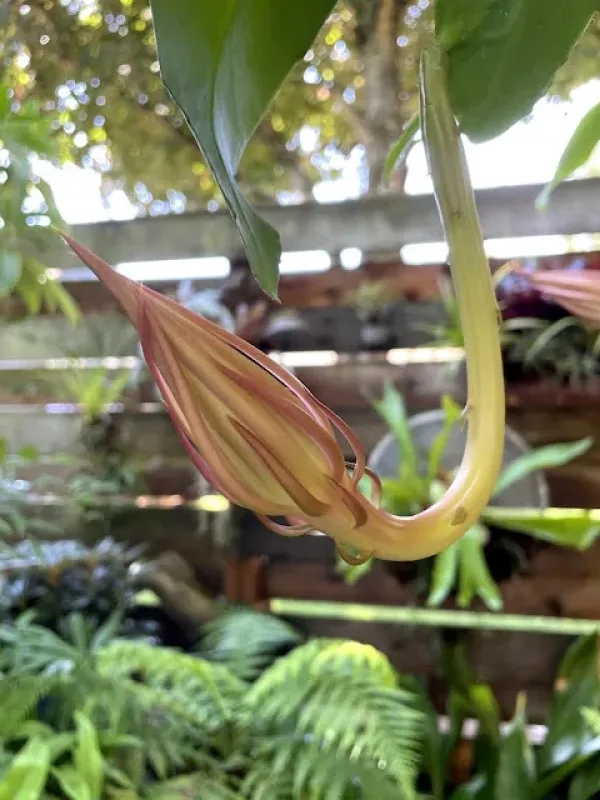
Description
Sowing dates
Oxypetalum martii, a member of the Apocynaceae family, is a tropical ornamental crop that requires precise conditions for successful seed germination.
Seeds should be sown in a well-draining, sterile growing medium, covering them very lightly to ensure they receive sufficient ambient light for development.
The ideal temperature for germination remains consistently between 22 and 25 degrees Celsius, maintained in a stable greenhouse environment.
Moisture control is paramount; the substrate should remain damp but never waterlogged to prevent seed rot during the critical early stages.
Once seedlings achieve their first true leaves, they require space for root development, necessitating a timely transplant into individual pots.
Growing requirements
This species demands bright, filtered sunlight to flourish, as direct high-intensity light can cause leaf scorching and decrease overall plant health.
The soil must be a specialized mix, rich in organic matter and highly porous, to facilitate excellent drainage and prevent root suffocation.
Regular watering is essential, allowing the surface of the growing medium to dry slightly between irrigation events to maintain ideal moisture balance.
Temperature stability is vital for Oxypetalum martii, as the plant is highly sensitive to cold shocks and drafty conditions, which can lead to leaf drop.
Fertilization with a balanced, water-soluble liquid fertilizer during the active growing season promotes robust flowering and foliage density.
Main diseases and pests
The primary pests affecting this culture include spider mites and aphids, which frequently target the tender young growth during periods of dry air.
Fungal issues such as root rot and gray mold are common risks when the plant is kept in conditions with poor air circulation or excessive soil moisture.
Proactive management of greenhouse ventilation significantly reduces the risk of pathogens, ensuring that moisture does not linger on the leaves.
Treatment of pest infestations often involves the use of horticultural oils or systemic insecticides, provided they are applied in strict accordance with labels.
Careful monitoring and immediate removal of any infected or damaged tissue prevent the spread of diseases and keep the crop healthy throughout the cycle.