
Oxypetalum appendiculatum
Oxypetalum appendiculatum
Description
Growing requirements
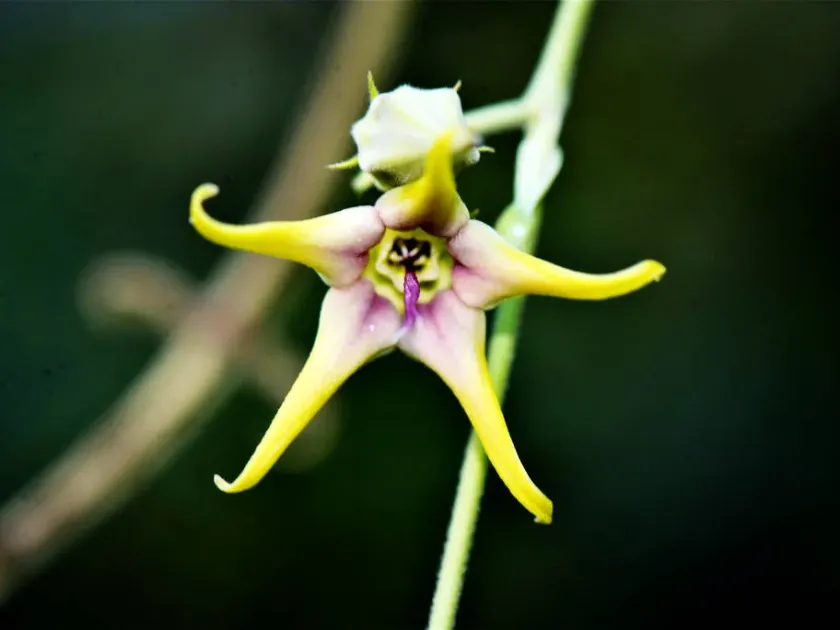
Oxypetalum appendiculatum is a perennial herbaceous plant belonging to the Apocynaceae family. Native to South America, particularly regions within Argentina and Uruguay, it is gaining interest in specialized horticultural markets for its unique morphology.
Successful cultivation requires specific environmental conditions, primarily high light intensity. The plant thrives in sunny locations, which are essential for stimulating its characteristic flowering process throughout the active growth season.
Regarding soil requirements, Oxypetalum appendiculatum prefers well-drained, sandy loam substrates. Poor drainage often leads to physiological stress, as the root system is highly susceptible to hypoxia if the growing medium remains saturated for extended periods.
The climate must be managed carefully, as the species is not tolerant of frost. In agricultural settings outside its native range, it is typically managed as a container-grown plant or a seasonal annual to ensure temperature protection during colder months.
Economically, this plant is primarily utilized in the nursery trade and for high-end landscape projects. Its distinct botanical structure makes it an excellent candidate for conservatory displays and ornamental garden collections.
Main diseases and pests
The primary pests affecting Oxypetalum appendiculatum include spider mites, which thrive in low-humidity environments. Regular foliage inspection is recommended to detect early infestations and mitigate potential damage to leaves.
Aphids are another common threat, often colonizing the tender apical growth. Effective management involves the use of targeted systemic insecticides or horticultural soaps, ensuring compliance with local plant safety regulations.
Root rot pathogens, such as Phytophthora species, represent the most significant disease risk. These often flourish when irrigation practices do not align with the plant’s need for well-aerated, dry-between-watering soil conditions.
Powdery mildew may occur if the plants are kept in stagnant, humid air conditions. Promoting adequate airflow around the canopy and maintaining clean growing spaces are essential cultural practices to prevent fungal outbreaks.
Effective pest and disease management in this culture relies on a proactive monitoring schedule. Removing debris and maintaining optimal spacing between plants serves as the first line of defense in a professional growing environment.