
Oxypetalum strictum
Oxypetalum strictum
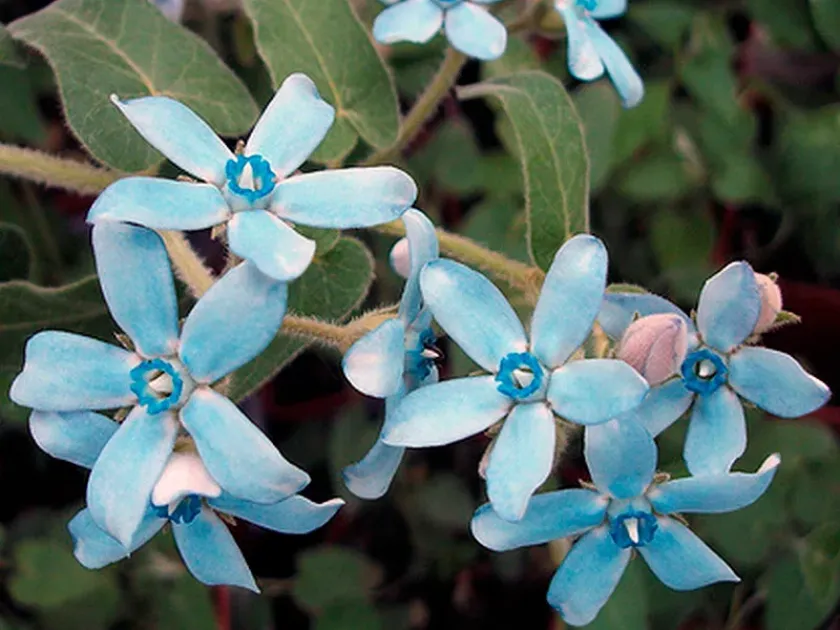
Description
Sowing dates
Oxypetalum strictum is a fascinating herbaceous perennial belonging to the Apocynaceae family, native to the tropical regions of South America.
For successful propagation, seeds should be sown in a light, well-draining substrate during the early spring months to ensure a long growing season.
The seeds require light for germination; therefore, they should be lightly pressed into the soil surface rather than buried deep within the medium.
Maintaining a consistent soil temperature of around 21 degrees Celsius is crucial for maximizing germination rates in controlled indoor conditions.
Once seedlings have reached a manageable size, they should be transplanted into individual pots to avoid root competition and ensure strong development.
Growing requirements
This plant thrives in full sun, requiring at least six to eight hours of direct light daily to maintain its compact growth habit and blooming ability.
A well-aerated, sandy-loam soil mix is ideal for Oxypetalum strictum, as it mimics the natural drainage found in its native habitats.
Watering must be performed carefully; the soil should be kept consistently moist but never waterlogged to prevent root rot in the sensitive root system.
The plant performs best in warm climates and should be sheltered from cold winds and temperatures that fall below 10 degrees Celsius.
Regular fertilization with a balanced, water-soluble fertilizer throughout the growing season will support continuous flower production and healthy foliage.
Main diseases and pests
Common pests affecting this culture include aphids and spider mites, which can be managed through regular inspection and insecticidal soaps.
Root rot remains the most significant threat, often caused by overwatering or poor soil drainage, necessitating immediate adjustments to the moisture regimen.
Fungal leaf spots may appear if air circulation is insufficient, so maintaining adequate spacing between plants is an effective preventive measure.
Regular monitoring for early signs of infestation allows for prompt action before the pest population expands significantly across the crop.
Maintaining hygiene in the greenhouse or garden by removing dead leaves prevents the spread of pathogens that thrive in decaying organic material.
Harvesting
Oxypetalum strictum is primarily cultivated for its aesthetic appeal, often serving as a focal point in ornamental garden designs and floral arrangements.
Seed harvesting should occur after the pods have fully matured and begun to split, ensuring that the seeds are dark and firm before collection.
Deadheading faded blooms is an essential maintenance task that directs the plant's energy toward new growth and subsequent flowering cycles.
Due to the presence of latex in the stems, it is advisable to wear gloves during handling to avoid potential skin irritation from the plant's sap.
Properly dried seeds can be stored in a cool, dry place to maintain viability for the following season's planting schedule.