
Oxypetalum umbellatum
Oxypetalum umbellatum
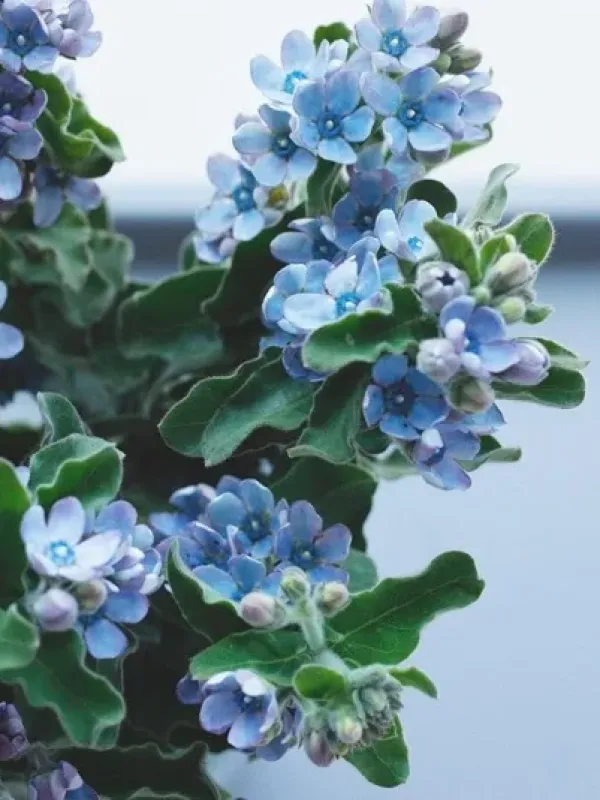
Description
Sowing dates
Oxypetalum umbellatum is a perennial herbaceous plant belonging to the Apocynaceae family. Seeds are typically sown in early spring when environmental conditions allow for stable germination.
The substrate for sowing must be light, well-draining, and slightly moist to ensure that the delicate seeds can sprout effectively without rotting.
Placing seeds at a depth of about 0.5 centimeters is recommended, as they require sufficient light exposure to initiate the germination process properly.
Controlled temperatures between 20 and 22 degrees Celsius are ideal for maintaining consistency in growth rates during the initial nursery stage.
Once the seedlings develop two or three pairs of true leaves, they should be transplanted into larger containers to foster root expansion before the final field planting.
Growing requirements
The plant thrives in full sunlight, which is necessary to maximize its flowering potential and maintain the health of its vegetative foliage.
Soil composition must be rich in organic matter, featuring a neutral pH balance and excellent drainage capabilities to prevent moisture accumulation.
Regular watering is essential during the dry season, but the irrigation schedule should be adjusted to allow the soil surface to dry slightly between sessions.
The plant performs best in regions with moderate temperatures and does not tolerate severe frost, requiring protection during the cold winter months.
Balanced fertilizers should be applied during the peak growing season to ensure that the plants have all the necessary nutrients for robust development.
Main diseases and pests
Spider mites and aphids are the most common pests affecting Oxypetalum umbellatum, particularly in environments with limited airflow or dry conditions.
Fungal infections, specifically root rot, occur when moisture levels remain too high, highlighting the need for efficient drainage in the cultivation area.
Proactive monitoring and the application of suitable insecticides or fungicides help maintain the plant's health and prevent significant loss of foliage.
Sanitation practices, such as removing dead plant material and controlling weeds, are critical to reducing the population of potential pest vectors.
Maintaining optimal spacing between plants improves air circulation, which significantly decreases the susceptibility of the crop to various pathogenic diseases.