
Oxypetalum montanum
Oxypetalum montanum
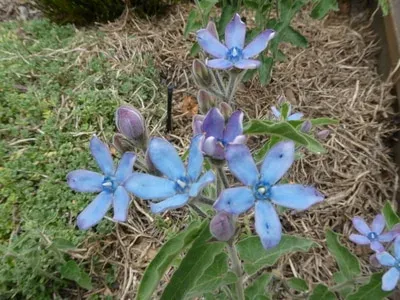
Description
Sowing dates
Seeds of Oxypetalum montanum are sown in early spring in a sterile, fine-textured medium. The seeds should be lightly covered and kept moist throughout the germination process.
Maintaining a constant soil temperature of +22...+24 degrees Celsius is critical for successful germination. Using a heating mat can significantly improve success rates for this specific species.
Once seedlings have developed two sets of true leaves, they are ready for transplanting into individual containers. Care must be taken not to damage the delicate root system during the handling process.
Hardening off the plants is a necessary procedure before moving them to their permanent location. Gradually increasing exposure to outdoor conditions helps to strengthen the cell walls and improves overall vigor.
Vegetative propagation via stem cuttings is also a standard practice. Cuttings should be taken during the peak of the growing season and treated with rooting hormones to ensure healthy root development.
Growing requirements
Oxypetalum montanum is a member of the Apocynaceae family, specifically classified within the Asclepiadoideae subfamily. Native to the mountainous regions of South America, this plant is well-adapted to well-drained, nutrient-rich soils.
The crop requires full sun exposure for optimal growth and flowering. In temperate regions, it is typically cultivated in greenhouses or as a potted plant, as it is not tolerant of prolonged frost or extreme cold conditions.
Soil structure should be porous to ensure rapid drainage. A mixture containing peat, perlite, and sand is recommended to maintain the necessary air circulation around the root system, preventing compaction.
Climatic conditions should mimic its natural habitat, favoring moderate temperatures between +20 and +25 degrees Celsius. Humidity levels should be balanced, as excessive atmospheric moisture can trigger leaf spot diseases.
The morphology of the plant includes simple, opposite leaves and distinct star-shaped flowers typical of the genus. The stems often show a light pubescent texture, which is an adaptation to high-altitude environments.
Main diseases and pests
The most significant pests affecting Oxypetalum montanum are spider mites, which thrive in low-humidity environments. Regular misting can help prevent colonization, while acaricides are used for severe infestations.
Root rot is the most common disease, often caused by Rhizoctonia or Pythium species in waterlogged soils. Ensuring excellent drainage is the primary defense strategy against these pathogens.
Mealybugs can be an issue, hiding in the leaf axils and stems. Physical removal or the application of horticultural oils is effective for managing small populations before they become widespread.
Powdery mildew may occur if air circulation is poor, particularly in crowded greenhouse environments. Increasing spacing between plants and ensuring active ventilation are essential preventative steps.
Integrated Pest Management (IPM) practices, such as biological control agents and strictly regulated watering schedules, are highly recommended to keep the crop healthy throughout its cycle.