
Oxypetalum banksii
Oxypetalum banksii
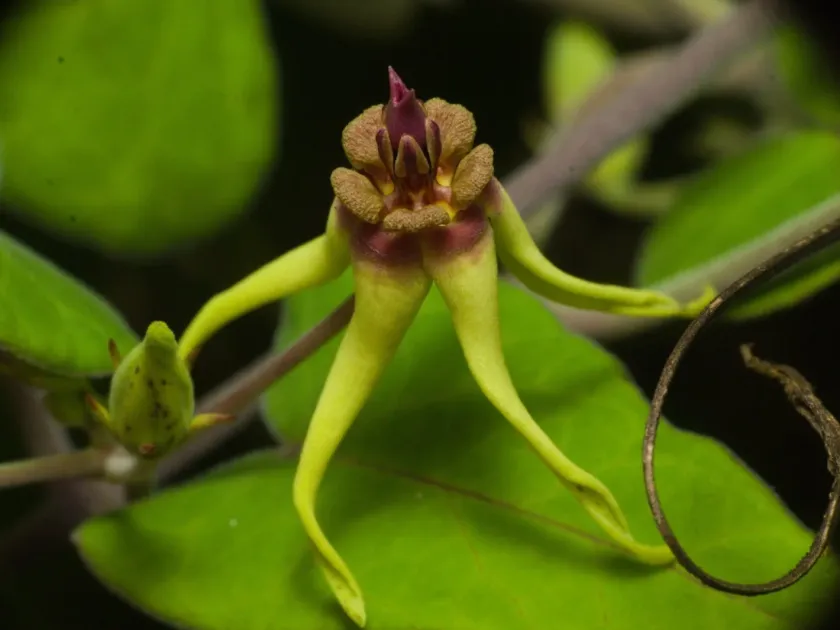
Description
Sowing dates
Sowing Oxypetalum banksii seeds is best performed during early spring, ensuring the soil temperature remains consistently between 18 and 22 degrees Celsius.
Using a seed starter tray with a well-draining peat-based mix is highly recommended to provide the optimal environment for successful germination.
Seeds should be covered lightly with a thin layer of fine substrate to maintain necessary moisture levels while allowing exposure to indirect light.
Maintaining a high relative humidity around the seedlings, often by using a clear plastic cover, significantly increases the rate of successful emergence.
Hardening off the seedlings over a period of two weeks before transplanting them into their final garden or greenhouse location is essential for survival.
Growing requirements
Oxypetalum banksii, a member of the Apocynaceae family, thrives in locations with full sunlight exposure throughout the majority of the day.
The plant requires well-draining, nutrient-rich soil with a neutral pH to support its delicate but extensive root system efficiently.
It is sensitive to prolonged cold periods and requires a protected environment if the ambient temperature drops significantly below 15 degrees Celsius.
Consistent moisture is required during the active growing season, but the root zone must never remain waterlogged to avoid fungal decay issues.
Occasional pruning and deadheading are beneficial practices to encourage bushier growth and prolong the flowering period of this ornamental species.
Main diseases and pests
Aphids and spider mites are the most common pests, particularly if the plant is grown in greenhouse conditions with limited airflow.
Root rot and stem rot occur frequently when the soil remains too wet for extended periods, especially in heavy or poorly draining substrates.
Powdery mildew may develop during periods of high humidity combined with poor ventilation, requiring localized fungicide application.
Regular monitoring of foliage underside is critical for early detection of pest infestations before they reach a damaging threshold.
Implementing a rigorous cleaning schedule for all gardening tools helps prevent the spread of soil-borne pathogens and fungal spores.