
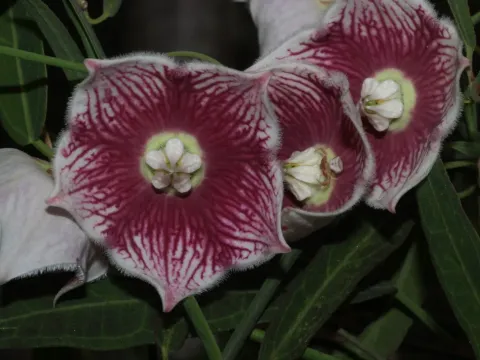
Oxystelma
Oxystelma
Oxystelma, specifically the Oxystelma esculentum species, is a climbing perennial that typically propagates through seeds in tropical environments.
What the section contains

Oxystelma
For cultivation purposes, seeds should be sown in fertile, well-prepared soil once ambient temperatures remain consistently above 22-25 degrees Celsius.
The ideal time for sowing coincides with the onset of the monsoon or rainy season to ensure sufficient moisture for seed germination and seedling establishment.
It is crucial to use fresh seeds as viability decreases significantly over time, which can lead to poor stand density if stored seeds are used.
Proper spacing between rows and plants is recommended to prevent overcrowding and to ensure that the climbing vines have enough room for optimal growth.
Oxystelma belongs to the Apocynaceae family and is native to moist, tropical regions of Asia, where it thrives in diverse ecosystems.
The plant requires loose, well-draining soil with a neutral pH, as it is sensitive to waterlogging which can lead to root damage and fungal infection.
High humidity and consistent moisture levels are essential for the vegetative phase of this crop, although it is somewhat resilient to short dry spells.
As a climbing plant, Oxystelma requires structural support, such as trellises or stakes, to facilitate vertical growth and maximize photosynthetic efficiency.
Exposure to direct sunlight is generally preferred, although the plant can tolerate partial shade in extremely hot climates where leaf scorching may occur.
The biomass yield of Oxystelma is highly dependent on irrigation management, nutrient availability, and the intensity of light exposure throughout the season.
Multiple harvests of green foliage can be achieved within a single growing cycle if proper pruning and maintenance practices are employed.
Seed production is generally secondary to vegetative growth, but it can be managed by adjusting the harvest schedule to allow for pod maturation.
Yield stability is maintained by ensuring that the soil remains nutrient-rich, potentially through the application of organic fertilizers during peak growth.
Efficient harvesting techniques that focus on lateral branch development can significantly increase the total biomass produced per hectare.
While the plant contains alkaloids in its latex that provide some natural resistance, it remains susceptible to several agricultural pests and diseases.
Fungal pathogens such as root rot and powdery mildew are common in high-humidity settings where air circulation is restricted around the foliage.
Common insect pests include aphids and mites, which can cause significant stunted growth if not controlled early in the vegetative stage.
Integrated pest management, favoring biological controls over harsh chemical pesticides, is recommended due to the potential food use of the plant.
Regular field scouting is essential to identify early signs of infestation and to prevent rapid disease spread within dense vine clusters.
Green biomass should be harvested during the peak vegetative phase, before the plant allocates significant energy to flower and fruit production.
Manual harvesting is common for smaller plots, requiring careful cutting to preserve the integrity of the root system for future growth cycles.
For seed collection, pods should be harvested as soon as they turn yellow or pale, just before they naturally dehisce and disperse their seeds.
Post-harvest handling requires rapid drying in well-ventilated, shaded areas to prevent fermentation or mold growth in the lush, succulent plant tissue.
Proper storage involves keeping the processed material in dry, cool conditions to maintain its nutritional value and quality for subsequent use.