
Pachypodium brevicaule
Pachypodium brevicaule
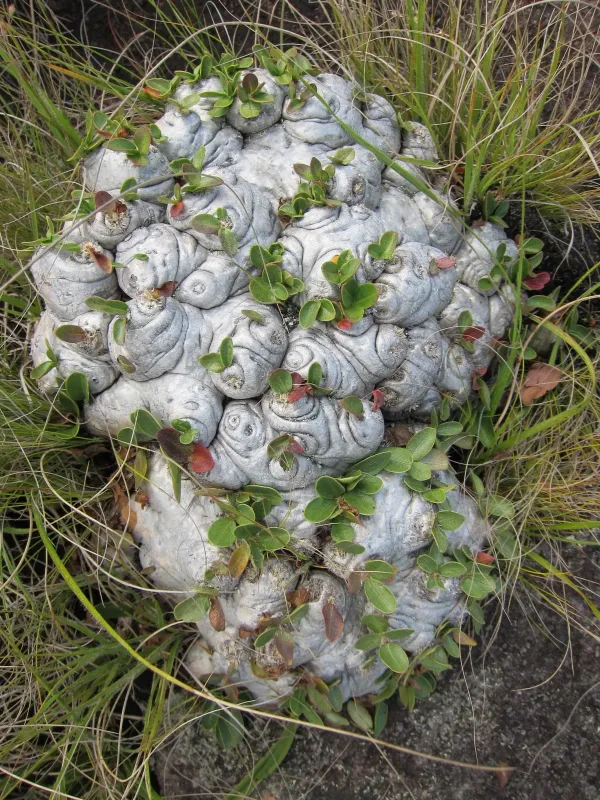
Description
Sowing dates
Propagation of Pachypodium brevicaule is primarily achieved through seeds, as vegetative propagation is highly impractical for this caudiciform species. Seeds should be sown as fresh as possible, ideally in late spring when rising temperatures support rapid germination and early seedling development.
The sowing medium must be highly porous and sterile to prevent damping-off, which is common in succulent seedlings. A mix of fine-grained pumice, perlite, and a very small fraction of high-quality coco coir or peat serves as an effective germination substrate.
Maintain temperatures between 25°C and 28°C during the germination period. Consistent moisture levels under a transparent cover are necessary, but once the first cotyledons emerge, the cover should be removed gradually to increase airflow and reduce fungal risks.
Seedlings develop very slowly and require specialized care during the first two years of their life. Overwatering at this stage is the most frequent cause of failure, so careful observation of substrate moisture is critical for their survival.
Transplanting seedlings should be done with extreme caution. The root system is delicate and prone to breakage, which can invite pathogens; therefore, it is best to disturb the roots as little as possible during the potting process.
##requirements##Native to the central highlands of Madagascar, Pachypodium brevicaule is a light-demanding species. It requires full sun exposure to maintain its compact, flat growth habit; lack of sufficient light leads to etiolation, which permanently spoils its aesthetic value.
The soil must mimic the rocky, well-draining substrates of its natural habitat. A mixture of mineral components such as volcanic rock, coarse sand, and perlite with minimal organic content is essential to ensure the roots remain dry and oxygenated.
Watering requires strict discipline, especially in domestic cultivation. During the active growth season, it should be watered only when the potting mix is thoroughly dry, and it must be kept almost completely dry during the winter dormancy period.
The plant thrives in warm conditions with daytime temperatures reaching up to 30°C during the growing phase. During winter, it enters a dormant state and should be moved to a cooler location (around 15°C to 18°C) to simulate natural seasonal cycles.
Excellent ventilation is paramount for this species. Stagnant air combined with humidity quickly triggers rot in the caudex or leaves. Ensuring constant airflow around the plant helps keep the surface of the caudex dry and prevents infections.
##threats##The primary threat to Pachypodium brevicaule is root rot and caudex decay, typically resulting from poor drainage or excessive moisture. Once rot infiltrates the caudex tissue, the chances of recovery are low, making prevention through correct watering paramount.
Spider mites are the most troublesome pests, particularly in dry indoor environments. They tend to settle in the grooves of the plant's surface, making them difficult to detect and eradicate without thorough and repeated treatment with suitable miticides.
Mealybugs can also infest the plant, hiding in the crevices between leaf bases. Systemic insecticides are generally effective, but care must be taken to ensure the plant is not under stress when chemicals are applied to avoid phytotoxicity.
Poor ventilation and high humidity can lead to fungal spot infections. These infections manifest as dark blemishes on the caudex skin, which can expand and lead to tissue collapse if not addressed with appropriate fungicidal treatments immediately.
- Ensure the soil is completely dry between irrigation cycles.
- Perform preventative checks for spider mites under bright light.
- Maintain a high mineral-to-organic soil ratio for optimal drainage.