
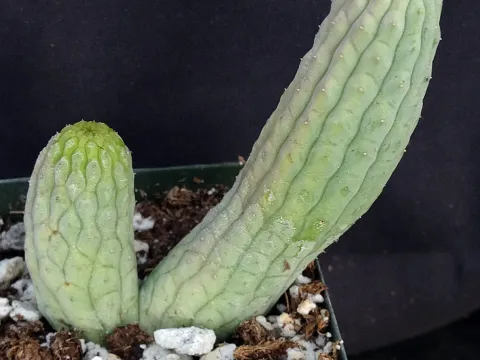
Lavrania
Lavrania
Lavrania is a genus of succulent plants within the Apocynaceae family, known for its distinctive and rugged stem structures. These plants have adapted specifically to thrive in extremely arid desert environments.
What the section contains

Lavrania
Originating from the southern regions of Africa, these plants require specific environmental conditions to mimic their natural habitat. They are highly specialized xerophytes capable of enduring prolonged drought periods.
A successful cultivation strategy starts with the correct soil medium. Growers must utilize a mineral-based, fast-draining substrate that ensures water never stagnates around the delicate root system.
Light intensity is critical for maintaining the plant's health and structural integrity. Exposure to full sun or very bright filtered light is necessary to prevent the etiolation of the succulent stems.
Temperature management during the growing season should favor warmth, whereas the dormant winter phase requires cooler temperatures and minimal moisture. This cycle is essential for healthy plant development and flowering.
Root rot remains the most significant threat to Lavrania in a managed environment. This issue is almost exclusively caused by overwatering or poor soil drainage, leading to the rapid decay of plant tissues.
Mealybugs are the primary pest concern for this species. These insects tend to cluster in the crevices between succulent lobes, making them difficult to detect and treat without consistent inspection.
Spider mites can also become an issue in environments with consistently low humidity. They can cause scarring on the surface of the stems, reducing the aesthetic and physiological value of the plant.
Preventative care is the most effective approach to managing these threats. Maintaining optimal ventilation and ensuring the substrate dries out completely between waterings is vital for disease prevention.
In case of pest infestations, systemic insecticides should be applied carefully. It is important to ensure the treatments are suitable for succulents to avoid chemical burns on the plant's epidermis.