
Mandevilla atroviolacea
Mandevilla atroviolacea
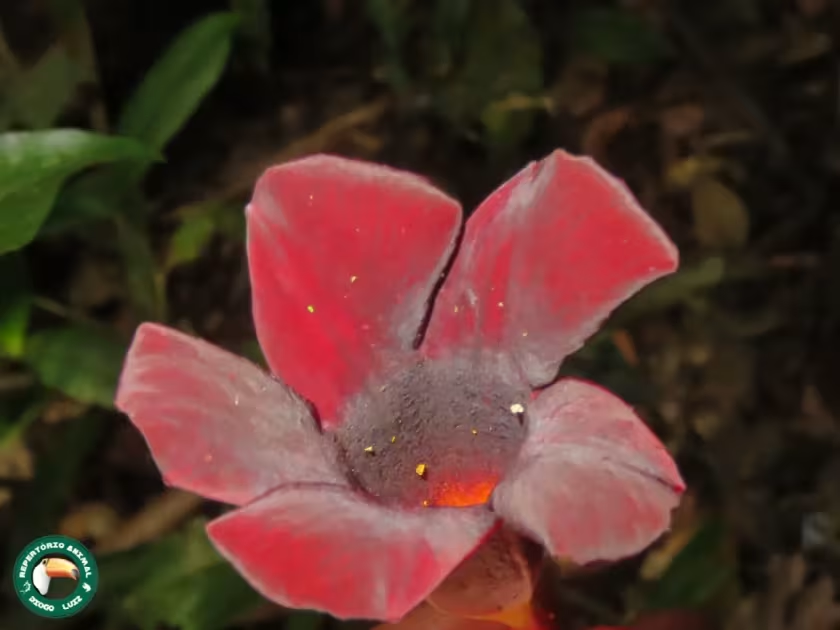
Description
Growing requirements
Mandevilla atroviolacea is a stunning perennial vine belonging to the Apocynaceae family. Native to the tropical rainforests of South America, this species is highly valued in horticulture for its vigorous growth and impressive ornamental characteristics.
The climate requirements for this plant focus on high humidity and consistent warmth. It thrives best in temperatures between 20°C and 28°C. During the cooler winter months, the plant requires a period of dormancy, with temperatures remaining above 15°C to avoid shock.
For soil cultivation, the plant demands a well-draining, nutrient-rich, and slightly acidic potting mix. A mixture of peat, organic compost, and coarse sand or perlite ensures the root system remains oxygenated, preventing the common issue of soil compaction.
Lighting is a crucial factor for Mandevilla atroviolacea. While it loves bright, indirect sunlight, direct exposure during the peak afternoon hours should be avoided to prevent foliar scorching. Proper placement typically includes areas with filtered light exposure.
Agricultural management requires providing robust support structures for the climbing stems. Regular pruning is necessary not only for shape control but also to encourage the development of lateral shoots, which are essential for maximizing the abundance of flowers.
Main diseases and pests
Spider mites are the most persistent pests encountered when growing this species, especially in environments with low air humidity. They thrive on the underside of leaves and can cause rapid discoloration and eventual leaf drop if not treated promptly with acaricides.
Mealybugs and scale insects also pose a significant threat to the plant's health. These pests feed on the phloem sap, weakening the vine and potentially leading to stunted growth or the development of sooty mold on the honeydew secretions they leave behind.
Root rot, primarily caused by Phytophthora or Pythium species, is a lethal threat under conditions of poor drainage. Constant moisture in the root zone suffocates the roots and facilitates the quick spread of fungal pathogens throughout the plant's system.
Fungal leaf spots can occur when the foliage is frequently wet, especially in poorly ventilated greenhouse or indoor environments. Maintaining good air circulation is the primary strategy to prevent the establishment of such fungal colonies on the leaves.
Effective plant protection involves a strict sanitation protocol, including the use of clean tools and isolating new plants before introducing them to an established collection. Chemical controls should be used judiciously as a secondary measure after physical removal.