
Mandevilla funiformis
Mandevilla funiformis
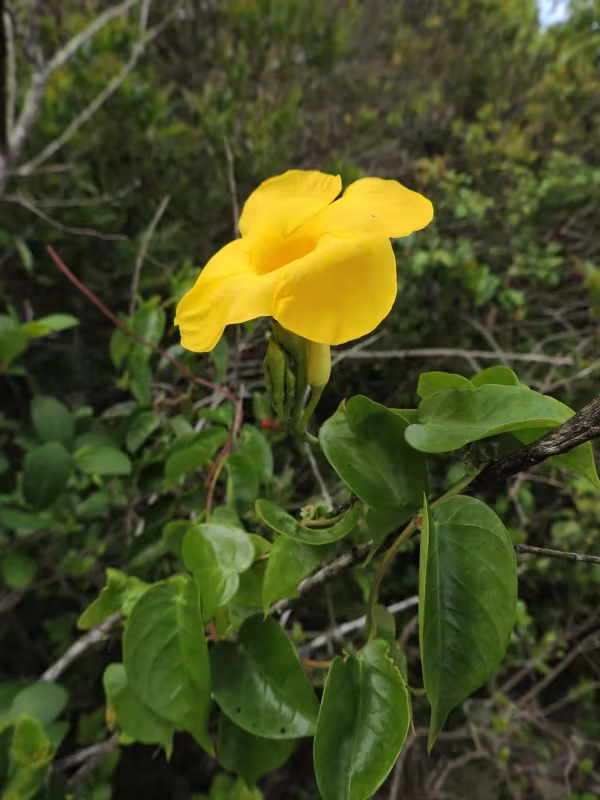
Description
Growing requirements
Mandevilla funiformis is a perennial woody vine belonging to the Apocynaceae family. Native to the tropical rainforests of South America, this plant is well-adapted to high-humidity environments and requires specific conditions for optimal development.
Botanically, the species is characterized by vigorous vining stems that require structural support. It produces resilient foliage and is recognized for its adaptive growth rate when placed in environments mimicking its natural tropical habitat.
Regarding soil requirements, the culture prefers loose, well-draining substrates rich in organic matter. A pH balance between 5.5 and 6.5 is ideal to facilitate nutrient uptake while ensuring the root system remains free from waterlogging, which is a major risk.
Climate management is critical for the success of Mandevilla funiformis. It thrives in temperatures ranging from 20 to 26 degrees Celsius and requires protection from frost and cold drafts. Consistent warmth is necessary to sustain its biological processes throughout the year.
Watering protocols should prioritize a wet-dry cycle, allowing the top layer of the soil to dry slightly before irrigation. During the peak growth season, balanced liquid fertilization is recommended to support both foliage development and energy storage.
Main diseases and pests
Spider mites are the most common pest affecting this species, particularly in environments where air humidity levels drop below optimal thresholds. These pests can rapidly colonize the undersides of leaves, leading to stunted growth.
Mealybugs represent another significant threat to plant health, often hiding in leaf axils. Management involves manual removal and the application of systemic insecticides to ensure long-term control within the greenhouse setting.
Root rot is the primary physiological and pathological threat linked to poor irrigation management. Maintaining adequate drainage and ensuring the substrate is not overly compacted is essential for disease prevention.
Fungal leaf spot diseases may appear if there is inadequate airflow around the foliage. Enhancing ventilation and adjusting the humidity levels can significantly reduce the incidence of these infections.
Implementing an integrated pest management (IPM) program, which includes regular inspections and environmental control, is the most effective approach for maintaining the health of Mandevilla funiformis crops.