
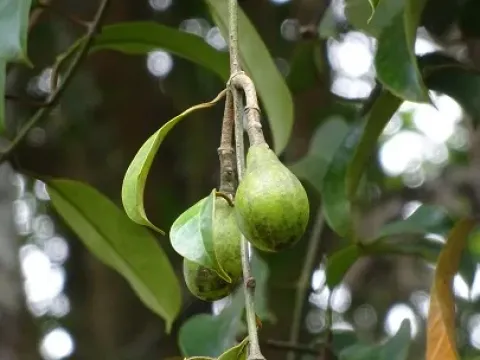
Leuconotis
Leuconotis
Leuconotis is a genus of evergreen woody vines and shrubs belonging to the Apocynaceae family. It is native to the tropical regions of Southeast Asia, where it thrives in humid and forested environments.
What the section contains
Leuconotis
The crop demands a tropical climate, characterized by consistently high temperatures and high levels of atmospheric humidity. Successful cultivation outside its native range is only possible in controlled environments like greenhouses.
Soil requirements for Leuconotis include well-draining substrates rich in organic matter. Proper soil aeration is crucial to prevent the root rot to which this genus is naturally susceptible in non-native habitats.
Botanically, the plant is distinguished by its milky latex, a common trait in its family. Cultivation techniques should emphasize shading, as direct intense sunlight can cause significant damage to the plant foliage.
Regarding its economic utility, certain species within the Leuconotis genus produce edible fruits used in local traditional diets. Beyond local consumption, the plant serves as a subject of botanical research and a potential ornamental species.
The most significant threat to Leuconotis under cultivation is the development of root pathogens triggered by excessive moisture and poor drainage in the growing container.
Pests such as spider mites and scale insects are common in glasshouse settings, particularly during winter months when indoor air humidity levels fluctuate significantly.
The presence of latex sap makes the plant resistant to some general insect attacks, but it also complicates the application of standard systemic pesticides.
Management of these threats involves proactive monitoring of the undersides of leaves and maintaining a stable environment to prevent stress-related infections.
If an infestation occurs, manual removal of pests and the application of mild horticultural oils are recommended to maintain the plant's health without disrupting its physiological balance.