
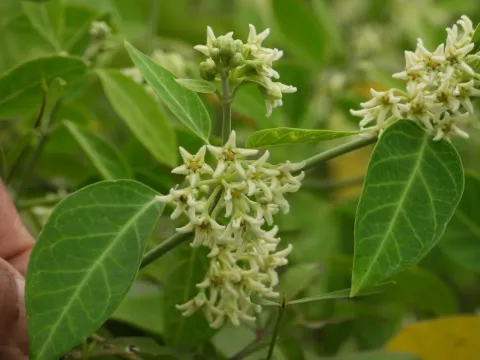
Leptadenia
Leptadenia
Leptadenia is a genus of perennial climbing plants and shrubs belonging to the Apocynaceae family. These plants are scientifically recognized for their impressive resilience and their crucial role in arid and semi-arid ecosystem restoration.
What the section contains


Leptadenia
The natural distribution of Leptadenia spans across the tropical and subtropical regions of Africa and Asia. They have adapted to harsh environmental conditions, demonstrating high efficiency in water retention and carbon sequestration.
Regarding cultivation, these plants thrive in sandy, well-drained soils and are highly tolerant to soil salinity. Full sun exposure is essential for the plant to achieve its maximum biomass yield and secondary metabolite production.
The agricultural management of Leptadenia involves minimal irrigation and fertilization, making it a low-input crop suitable for sustainable farming in desertified or semi-arid zones.
Its primary uses include animal fodder, especially during dry seasons when other forage sources are scarce, and applications in traditional medicine for its anti-inflammatory and antiseptic properties.
Leptadenia crops are frequently affected by sap-sucking insects like aphids and whiteflies, which thrive in hot and dry climates and can weaken the plant's health.
Root pathogens, particularly fungi like Fusarium or Rhizoctonia, can cause significant damage if the soil remains waterlogged or improperly drained for extended periods.
Leaf-eating caterpillars may sporadically damage the foliage, though they rarely cause total crop failure due to the plant's high natural regeneration capacity.
Environmental stress, such as extreme frosts or prolonged flooding, represents a major threat, as the plant is not genetically adapted to survive in temperate, high-precipitation environments.
Integrated pest management strategies are recommended, focusing on maintaining plant vigor through proper spacing and regular monitoring of foliage for early signs of infestation.