
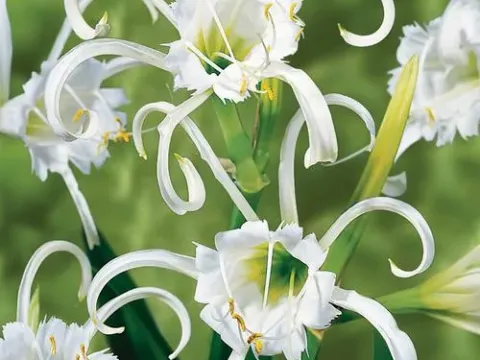
Ismene
Ismene
Planting Ismene bulbs in open ground should only commence once the threat of late spring frosts has completely passed. The ideal timing is late May or early June, when the soil has sufficiently warmed to approximately 15–18 degrees Celsius.
What the section contains


Ismene
Prior to planting, inspect all bulbs thoroughly for signs of physical injury or fungal infection. It is advisable to treat the planting material with a broad-spectrum fungicide to ensure healthy growth during the upcoming season.
The planting depth depends on the bulb size, but a general rule is to place the bulb such that its top is covered by 3–5 centimeters of soil. Planting too deep may hinder the development of the flower stalks.
For container-grown Ismene, ensure the use of a nutrient-rich potting mix supplemented with perlite for improved drainage. A deep layer of coarse gravel or expanded clay at the bottom of the pot is essential to prevent root rot.
When planting in garden beds, maintain a spacing of 30–40 centimeters between individual bulbs. Proper spacing allows for adequate air circulation, which is critical for reducing the risk of fungal diseases.
As a member of the Amaryllidaceae family, Ismene requires plenty of sunlight to thrive and bloom effectively. A south-facing location that is protected from strong, drying winds provides the best results for vegetative growth.
The soil must be well-draining, fertile, and slightly acidic to neutral in pH. If your garden soil is heavy or prone to waterlogging, incorporate generous amounts of organic matter and coarse sand to improve the soil structure.
Irrigation should be consistent throughout the growing season. The soil should remain moist to the touch but never waterlogged; excessive moisture can rapidly lead to the decay of the bulb's basal plate.
Apply balanced fertilizers with a focus on phosphorus and potassium during the bud-formation stage. This supports the production of large, fragrant flowers and ensures that the bulb stores sufficient energy for the following season.
Ismene is sensitive to cold and cannot survive freezing ground. Before the first autumn frost, lift the bulbs, clean them gently, and store them in a cool, dry place at temperatures around 10–12 degrees Celsius until spring.
Fungal pathogens, particularly red rot, are the most significant threat to Ismene. These diseases typically thrive when the growing environment is overly humid or when the soil remains too wet for extended periods.
Spider mites are common pests that target the leaves of Ismene, especially during periods of hot, dry weather. Regular inspection of the undersides of leaves is recommended to detect early infestations and apply appropriate miticides.
Onion fly larvae can cause severe damage by burrowing into the bulb tissue. To prevent this, rotate your planting sites annually and avoid using uncomposted organic matter near the bulb crowns.
Thrips can also affect the plant, causing unsightly yellowing and distortion of the flower stalks. Effective management involves maintaining plant vigor through proper nutrition and timely use of selective insecticides.
Nematode infestations often lead to stunted growth and yellowed foliage. Because these organisms are difficult to treat once established, prevention through soil management and the selection of clean, healthy bulbs is paramount.