
Leucocoryne
Leucocoryne Lindl.
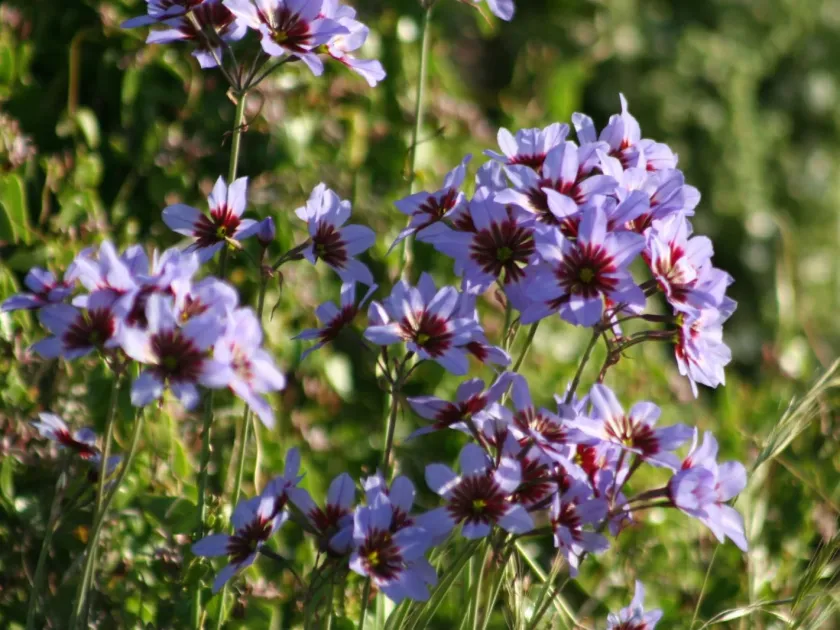
Description
Sowing dates
Leucocoryne is an elegant bulbous genus belonging to the Amaryllidaceae family. Originating from Chile, these plants have adapted to Mediterranean-like climates, which dictates their specific cultural requirements for successful production.
Planting of bulbs into open ground or greenhouses is typically done in autumn, when soil temperatures reach around 10–12 degrees Celsius. This timing ensures proper root development before the active growth phase begins in the spring.
For container-grown crops or forcing, planting depth should be kept between 5 and 8 cm. Adequate spacing between bulbs is crucial to ensure proper airflow and to mitigate the risks of fungal infections during the plant's development.
Leucocoryne requires well-draining, light, sandy substrates to thrive. Water stagnation is the primary cause of bulb rot; therefore, providing an efficient drainage system is a mandatory practice for both field and greenhouse production.
In regions with harsh winters, Leucocoryne is cultivated exclusively as a pot plant or in controlled greenhouse environments, as the bulbs are not sufficiently frost-hardy to survive the winter without significant protection.
Growing requirements
High light intensity is essential for the healthy development of Leucocoryne. The plants require bright, indirect sunlight throughout their growth period; inadequate lighting leads to leggy flower stalks and reduced quality of the inflorescences.
Temperature control is vital for the budding process. An optimal range is 15–20 degrees Celsius. Cooler nighttime temperatures are particularly beneficial, as they improve the structural integrity of the flowers and enhance their longevity after harvest.
Watering should be moderate, keeping the substrate moist but never soggy during the growth phase. Once flowering concludes and leaves start to yellow, irrigation must be gradually reduced to initiate the dormant period.
Fertilization should be managed using balanced mineral formulations with low nitrogen content. High nitrogen levels tend to promote excessive vegetative growth at the expense of floral development and scent intensity.
The primary use of Leucocoryne is in the luxury cut flower market. The plant is highly valued by florists for its distinct, honey-like fragrance and exceptional vase life, making it a premium choice for high-end floral arrangements.
Main diseases and pests
Grey mold (Botrytis) is the most common threat to Leucocoryne, especially in humid greenhouse conditions. Good air circulation and keeping the foliage dry are the most effective preventive measures against this fungus.
Root rots are frequent complications arising from poor drainage or overwatering. Using only certified, healthy bulbs and ensuring the growing medium is sterile are critical steps to prevent these devastating soil-borne issues.
Common pests include spider mites and thrips, which thrive in dry indoor conditions. These pests cause damage to leaves and buds, potentially spreading viruses that can lead to permanent plant disfigurement.
Aphids can infest young flower stalks, sucking sap and causing deformity in the developing blooms. Integrated pest management, including the use of mild insecticides or biological control agents, is recommended for effective suppression.
Weed management around the growing area is essential, as many common weeds act as hosts for viruses and insect vectors. Early identification and consistent crop scouting are fundamental to maintaining a healthy harvest.
Harvesting
Harvesting is performed by cutting the flower stalks when the lower buds in the inflorescence begin to open. This stage ensures the best commercial appearance and guarantees a long vase life for the customer.
A sterilized, sharp tool is used for cutting to prevent mechanical damage to the bulb and minimize the entry of pathogens. The harvested stems should be placed immediately into clean water to prevent dehydration.
Following harvest, foliage must be allowed to senesce naturally. This allows the plant to translocate energy back into the bulb, which is necessary for the production of high-quality flowers in the subsequent growing season.
Bulbs should be lifted only after the above-ground parts have fully withered. After cleaning and curing in a well-ventilated, dark space, the bulbs can be stored in a dry, cool environment until the next planting cycle.
Proper sorting of bulbs by size is a critical technical operation that allows growers to predict flowering density and uniformity, which is essential for efficient resource planning in commercial flower farming.