
Ipheion
Ipheion
Description
Growing requirements
Ipheion is a low-growing perennial bulbous plant belonging to the Amaryllidaceae family. Native to South America, particularly Argentina and Uruguay, it naturally inhabits open grassy areas and meadows.
For successful development, Ipheion requires sunny, well-lit locations, although it can tolerate light shade during the hottest parts of the day. The plant prefers moderately fertile, loose, and well-drained soils, as waterlogging is detrimental to the bulbs.
The culture is relatively heat-loving; therefore, in temperate climates, it requires winter protection or placement in spots shielded from strong winds. It is crucial to maintain moderate watering during the active growth phase and ensure soil dryness during the dormancy period.
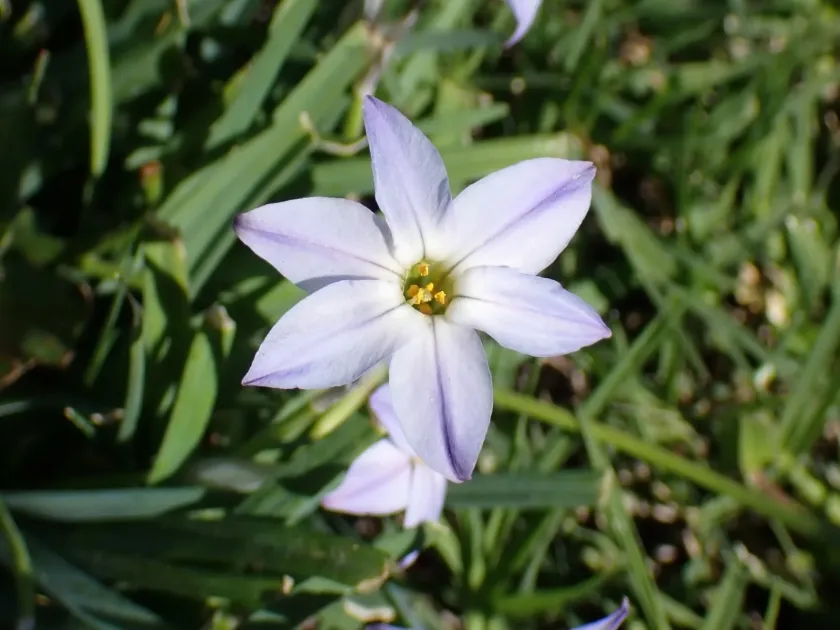
Botanically, the plant is characterized by narrow, linear leaves that emit a distinct garlic-like odor when crushed, and elegant star-shaped flowers that bloom in early spring. Plants usually reach heights of 15–20 centimeters, making them ideal for rock gardens and borders.
The economic use of Ipheion is strictly ornamental. It is widely utilized in landscape design for creating early spring color accents, group plantings on lawns, container gardening, or as part of rockery arrangements.
Main diseases and pests
The main threats to Ipheion include fungal diseases that develop under excessive soil moisture conditions, such as basal rot of the bulbs. Regular maintenance of the drainage system and avoiding overwatering are the best preventative measures against such infections.
Among pests, bulb mites and root-knot nematodes pose the greatest risk, potentially damaging the plant's underground structures. Upon detecting signs of infestation, systemic insecticides or fungicides should be applied immediately.
A critical factor for the health of the culture is strict adherence to crop rotation and the prevention of viral infections spread by insect vectors. Infected specimens should be removed from the site promptly to stop the spread of disease.
In regions with harsh winters, rodents may target the bulbs, necessitating the use of protective mesh when planting in open ground. Pest protection strategies must be proactive throughout the entire growing season.
With proper agrotechnical practices and adequate soil aeration, Ipheion demonstrates high resilience and longevity, expanding into impressive flowering clumps year after year.