
Ismene narcissiflora
Ismene narcissiflora
Description
Growing requirements
Ismene narcissiflora, commonly referred to as the Peruvian daffodil, belongs to the Amaryllidaceae family. This exotic bulbous plant originates from the tropical and subtropical regions of South America, specifically Peru, where it thrives in warm, humid conditions.
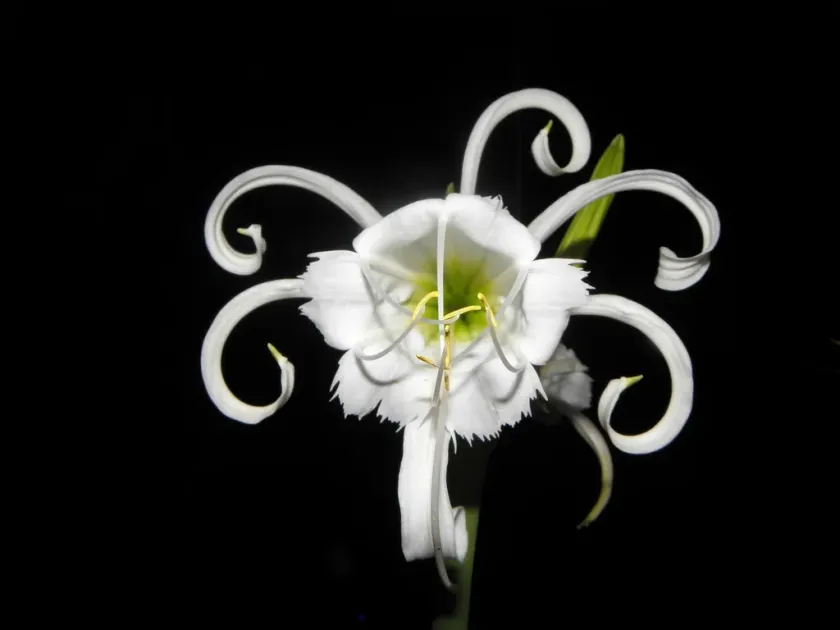
Botanically, the plant features a large bulb producing strap-like, deep green foliage. The highlight of the plant is its fragrant, white flower, which showcases a distinctive fringed staminal cup that sets it apart from traditional garden bulbs.
The cultural requirements for this plant include a location with bright, indirect sunlight or partial shade. It is highly sensitive to cold, requiring a frost-free environment to maintain its growth cycle throughout the spring and summer months.
Soil quality is paramount for successful cultivation. The medium should be rich in organic matter, loose, and possess excellent drainage properties. A mix of peat, loam, and coarse sand usually provides the necessary conditions for optimal development.
Proper agronomic care involves consistent moisture during the growing phase, avoiding waterlogging which causes rot. Fertilization should be applied periodically during the growing season using a balanced fertilizer to support the production of large, vibrant blooms.
Main diseases and pests
Common threats to Ismene narcissiflora include fungal infections such as bulb rot and leaf blight. These conditions are predominantly triggered by excessive moisture and poor soil aeration, which compromise the health of the bulb.
Pests represent another significant challenge for growers. Spider mites are frequent visitors, especially in warm, dry environments where they feed on the foliage. Aphids and mealybugs can also infest the plants, causing structural damage to leaves.
Management of diseases relies heavily on cultural practices, such as ensuring sufficient spacing between plants and avoiding overhead irrigation. If infection occurs, targeted application of fungicides is required to save the bulb.
For pest control, regular inspection is necessary to catch infestations early. Horticultural oils or systemic insecticides can be used to manage mite and insect populations, helping to preserve the aesthetic value of the plant.
Storage is a critical period for disease prevention. After harvesting, bulbs must be cleaned, dried properly, and stored in a cool, ventilated area to prevent rot during the dormant stage, ensuring success for the next growing season.