
Ismene deflexa
Ismene deflexa
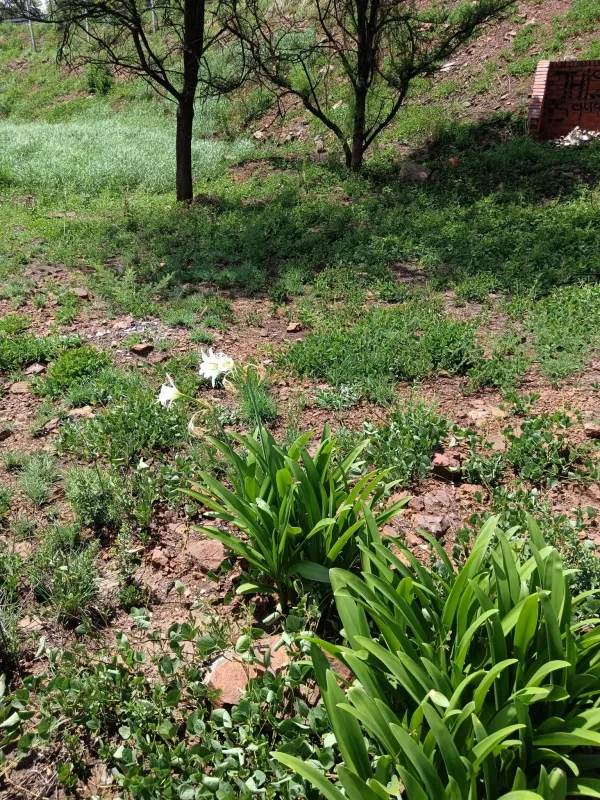
Description
Growing requirements
Ismene deflexa, a member of the Amaryllidaceae family, is a perennial bulbous plant native to the high-altitude regions of the Andes in South America.
Successful cultivation of the crop requires loose, fertile, and well-drained soils with a neutral or slightly acidic pH, as waterlogging is detrimental to the bulbs.
The plant has high lighting requirements: it prefers bright, indirect sunlight and needs protection from intense midday sun, which can cause leaf scorch.
The temperature range during the active growing season should be maintained at 20–25 degrees Celsius, while during dormancy, bulbs require cool conditions of 12–15 degrees Celsius.
The ambient humidity should be moderately high, and watering should be carried out regularly, avoiding water accumulation in the center of the leaf rosette to prevent rot.
Main diseases and pests
One of the most dangerous pests for Ismene is the spider mite, which reproduces actively when the air becomes too dry in greenhouses or indoor settings.
Mealybugs also pose a threat by settling in leaf axils and feeding on plant sap, leading to shoot deformation and stunted overall growth.
Among fungal diseases, Fusarium wilt is a critical danger, causing bulb base rot during improper irrigation cycles or poor soil aeration.
Grey mold may appear on leaves as a greyish fuzz during periods of high humidity and low temperature, requiring immediate adjustment of environmental conditions.
Disease prevention involves treating bulbs with fungicides before planting, maintaining tool sanitation, and ensuring regular ventilation of the growing area.