
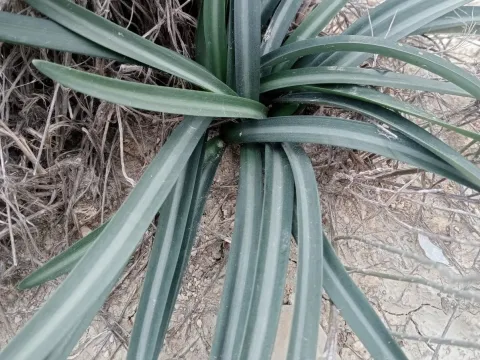
Lapiedra
Lapiedra
Propagation of Lapiedra is typically achieved through seeds or by separating offset bulbs that develop around the main bulb. Seeds should be sown immediately after maturation in late summer or early autumn to ensure viability.
What the section contains

Lapiedra
A well-draining, sandy substrate is essential for sowing to prevent seed rot. Seeds should be planted at a shallow depth of no more than 1 cm, as they require light and air circulation to initiate germination successfully.
Planting bulbs is best performed during the dormant season, which occurs throughout the summer months. Bulbs should be buried at a depth of 10-15 cm, ensuring the soil is light and porous to accommodate root growth.
If growing in containers, providing a robust drainage layer at the base is crucial for plant health. Lapiedra is highly susceptible to waterlogged soil, which leads to immediate root decay and loss of the bulb.
Seedlings develop slowly, often taking several years to reach flowering maturity. During the early stages, it is important to maintain consistent moisture without saturation and provide bright, indirect sunlight to encourage steady development.
Lapiedra is a monotypic genus of bulbous plants within the Amaryllidaceae family, native to the Iberian Peninsula. It is specifically adapted to Mediterranean climates characterized by arid summers and mild, damp winters.
This culture thrives in full sun and requires rocky or sandy, well-draining soil to flourish. It is tolerant of nutrient-poor soils but strictly requires a neutral to slightly alkaline pH level.
The plant follows a unique phenological cycle: leaves and flowers emerge in the autumn, while the summer is dedicated to a dormant period. During this time, the plant must be kept completely dry to prevent physiological stress.
Temperature management is key; the plant does not withstand severe freezing and prefers temperate conditions. In regions with harsh winters, it is necessary to provide frost protection or cultivate the plant in pots that can be moved indoors.
Adequate air circulation is vital for Lapiedra, both for the bulbs in the ground and the foliage during the growing season. Stagnant air often leads to fungal outbreaks, particularly in damp environmental conditions.
Fungal rots, specifically basal rot caused by overwatering during the dormant phase, represent the primary threat to the longevity of Lapiedra bulbs. Controlling soil moisture is the single most important maintenance task.
Common garden pests such as the bulb fly or various species of thrips can infest the plant. Using systemic insecticides as a preventative measure during the planting stage is recommended to protect the bulb from larvae damage.
Nematodes may also cause significant damage in infested soils, leading to stunted growth and eventual death. Pre-planting soil sterilization or using fresh, high-quality potting mix is a reliable way to avoid this infestation.
Slugs and snails are known to feed on the tender autumnal foliage. Physical barriers or organic molluscicides are effective control methods to preserve the integrity of the leaves during the active growth period.
Maintaining proper hygiene by removing dead plant matter and avoiding overcrowding helps to reduce the spread of secondary bacterial infections. Regular monitoring ensures that any signs of disease are addressed before the bulb is compromised.