
Ismene amancaes
Ismene amancaes
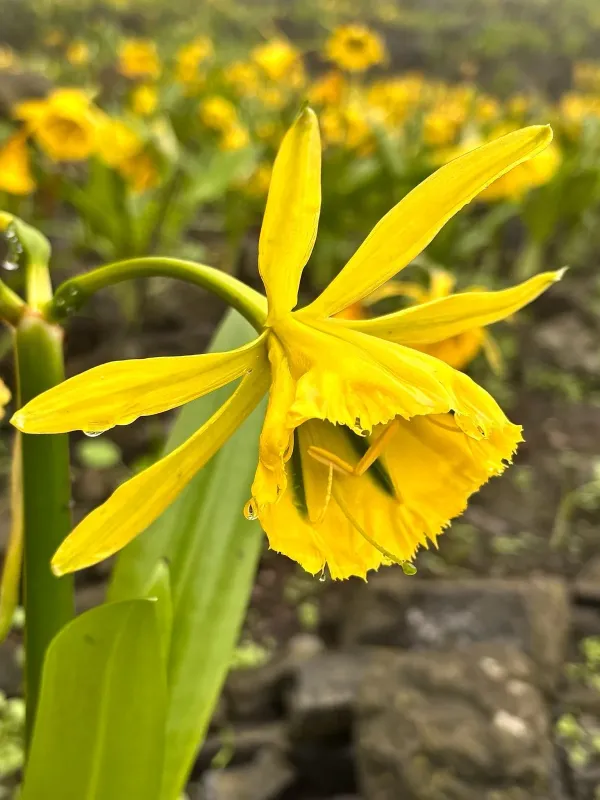
Description
Sowing dates
Planting of Ismene amancaes bulbs in open ground should be performed only in the spring, once the soil has warmed up significantly.
In regions with temperate climates, this species is best cultivated as a container plant because the bulbs are sensitive to freezing temperatures.
For container-grown specimens, the ideal planting time is late winter or early spring to ensure a robust flowering period in the summer.
When planting, ensure the neck of the bulb is positioned at or slightly above the soil surface level to prevent rotting of the growing point.
Spacing between bulbs should be at least 25 centimeters to allow for proper foliage growth and sufficient airflow around the base of the plant.
Growing requirements
Ismene amancaes belongs to the Amaryllidaceae family and is native to the coastal desert regions of Peru, which dictates its specific needs.
The plant requires high levels of solar radiation to produce its iconic, intricate flowers, making a sunny location essential for success.
Soil must be exceptionally well-draining, consisting of a mix of potting soil, coarse sand, and organic matter to prevent waterlogging.
Watering requirements are strictly cyclical: generous moisture during active growth and nearly complete dryness during the dormant phase.
The plant prefers a stable environment and should be moved indoors before the first autumn frost to protect it from thermal stress.
Main diseases and pests
The primary threats to this species are fungal infections caused by excessive soil moisture or poor drainage in the container.
Basal rot and various types of bulb mold are common issues that typically occur when irrigation practices are not adjusted for the plant's cycle.
Common horticultural pests such as spider mites and scale insects may attack the foliage, particularly if the plant is kept in dry, indoor conditions.
Thrips can also affect the aesthetic quality of the flowers and weaken the overall vitality of the plant during the flowering stage.
Maintaining a clean growing environment and using preventive systemic fungicides are the best strategies to ensure long-term plant health.