
Ismene longipetala
Ismene longipetala
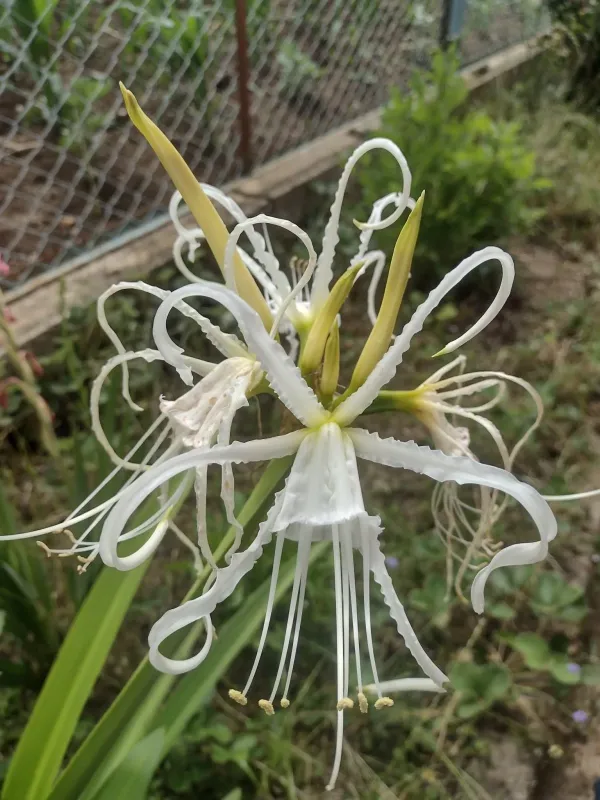
Description
Sowing dates
Ismene longipetala is a bulbous plant belonging to the Amaryllidaceae family, native to the tropical landscapes of South America.
The planting process begins in late spring, once the danger of frost has passed and the soil has warmed sufficiently for growth.
Bulbs should be planted at a depth of roughly 10–15 centimeters in well-drained soil, ensuring proper spacing of at least 30 centimeters between plants.
Professional propagation is typically managed through the separation of offset bulbs, which can be harvested when the plant is lifted for dormancy.
Seed-based propagation is possible but rarely practiced commercially, as it takes several years for plants to reach flowering maturity.
Growing requirements
This species requires high light levels and thrives in full sun, which is essential for stimulating the development of its unique, delicate flowers.
The soil must be fertile, rich in organic matter, and possess exceptional drainage to prevent the root system from suffocating in damp conditions.
Regular irrigation is vital during the peak growing season, although the substrate should be allowed to dry slightly between watering sessions.
Thermal stability is a priority; the plant grows best in temperatures between 20°C and 25°C and cannot withstand frost at any developmental stage.
Applying a balanced, low-nitrogen liquid fertilizer during the growing phase promotes healthy leaf development and vigorous flower stalk production.
Main diseases and pests
Fungal infections, primarily grey mold and bulb rot, represent the most significant threats, usually caused by poor drainage or excessive humidity.
The Narcissus bulb fly poses a major entomological risk, as larvae feed on the internal tissues, potentially destroying the bulb completely.
Spider mites can become a nuisance in dry, warm environments, requiring the use of targeted acaricides to prevent extensive foliage damage.
Mechanical injuries sustained during the harvesting or handling of the bulbs often lead to secondary bacterial infections that spread during storage.
Strict sanitation protocols, including the disinfection of tools and the use of fungicide-treated storage media, are crucial for maintaining healthy stock.
Harvesting
The harvesting phase starts in autumn when the foliage begins to wither naturally, signaling the transition into the dormancy period.
Bulbs must be lifted with care to ensure the fleshy root system is not damaged, as this can affect the plant's vigor in the following year.
Proper curing is achieved by placing the cleaned bulbs in a dry, shaded, and well-ventilated area for several weeks to allow the outer skin to toughen.
Storage should be conducted in a cool, dark environment with temperatures maintained at approximately 10–15 degrees Celsius for optimal dormancy.
Successful post-harvest management ensures that the bulbs remain plump and disease-free, ready to begin the growth cycle when replanted in spring.