
Hymenocallis speciosa
Hymenocallis speciosa
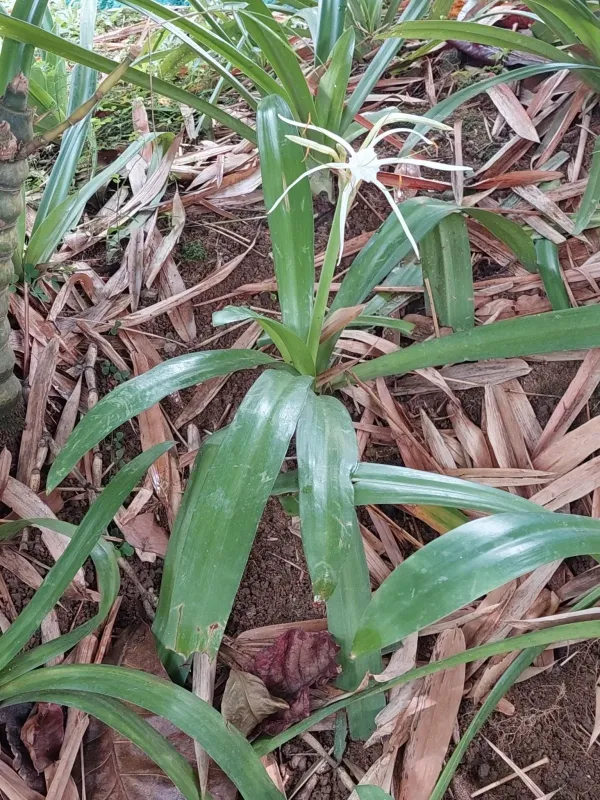
Description
Growing requirements
Hymenocallis speciosa is a member of the Amaryllidaceae family, originating from the tropical regions of the West Indies, which defines its specific climatic requirements.
The plant thrives in temperatures ranging between 20°C and 25°C, requiring a frost-free environment to maintain steady physiological development throughout the year.
Cultivation requires a highly permeable, nutrient-rich potting mix that provides excellent aeration while maintaining a balance of moisture to prevent root hypoxia.
It prefers bright, indirect light conditions; intense direct sunlight can cause significant leaf scorch, particularly in greenhouse settings during the summer months.
As a specialized horticultural crop, it is typically cultivated in greenhouse or indoor environments where humidity levels can be strictly controlled to mimic its native habitat.
Main diseases and pests
The primary threat to Hymenocallis speciosa is waterlogging, which often leads to lethal bulb and root rot, especially during the plant's dormant or cooler periods.
Spider mites are a common pest in indoor environments with low humidity, causing fine webbing and stippling on the leaves that significantly reduces photosynthesis.
Scale insects and mealybugs represent frequent threats that colonize the leaf axils and stems, necessitating the use of systemic insecticides for effective control.
Fungal pathogens may invade damaged tissue, making it critical to use sanitized tools during division and maintenance to prevent the spread of disease.
Proactive pest management includes frequent inspections and ensuring optimal airflow around the foliage to minimize the incidence of infestations and pathogens.