
Ismene hybrids
Ismene hybrids
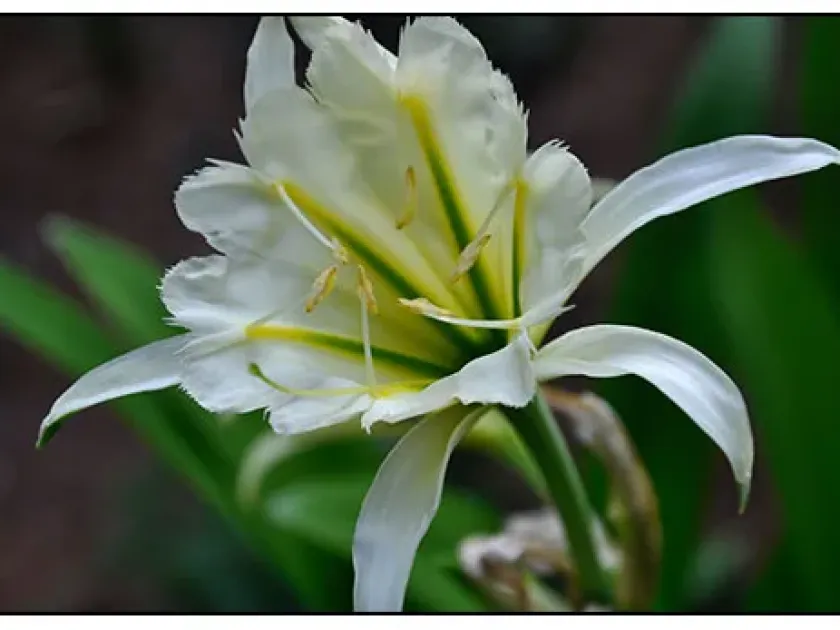
Description
Growing requirements
Ismene hybrids belong to the Amaryllidaceae family and are highly prized for their distinctive, exotic-looking flowers. These plants are essentially derived from various tropical American species, adapted for decorative and horticultural use.
Temperature is the most critical factor for this crop. Being a tender bulbous plant, Ismene hybrids cannot survive freezing temperatures. In regions with harsh winters, growers must treat them as summer-flowering bulbs, lifting them from the soil after the first autumn frost.
The crop requires fertile, well-draining soil with a pH level ranging from slightly acidic to neutral. High moisture retention is beneficial, but waterlogging must be avoided at all costs to prevent the rot of the large, fleshy bulbs.
Sunlight requirements are significant for optimal blooming. Ismene prefers full sun exposure to light shade. Adequate light intensity ensures the development of strong scapes and vigorous foliage throughout the active growing season.
During the growing season, moderate irrigation is necessary, ensuring the roots remain moist but not waterlogged. As the plant enters dormancy, water should be gradually withheld to facilitate the maturation of the bulb for the next cycle.
Main diseases and pests
Spider mites are a common threat, particularly in greenhouse or indoor conditions where air circulation might be limited and humidity levels are low.
Various forms of bulb rot, often caused by Fusarium or Erwinia species, pose a significant risk if storage conditions are too damp or if soil drainage is insufficient during the growth period.
Thrips can cause significant cosmetic damage to the leaves and floral structures, leading to diminished quality and decreased overall plant vigor.
Nematode infestations can lead to severe structural damage of the bulb tissues, often resulting in systemic decline and the eventual death of the plant.
Proper sanitation and the application of appropriate fungicides during the bulb cleaning process are essential practices to minimize the impact of these common pests and diseases.