
Intermediate narcissus
Narcissus intermedius
Description
Growing requirements
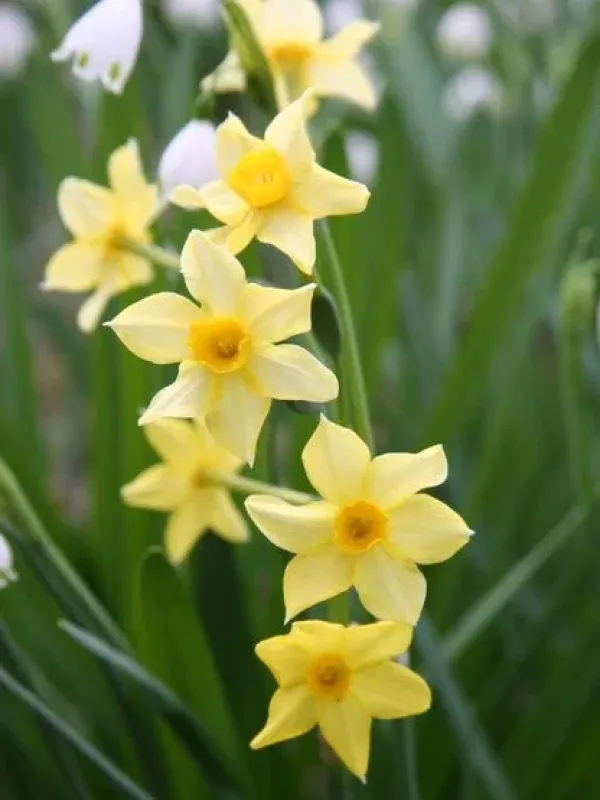
The Intermediate Narcissus (Narcissus intermedius) is a perennial bulbous plant belonging to the Amaryllidaceae family. This species is a natural hybrid known for its graceful habit, primarily native to the Mediterranean region, notably Southern France.
Successful cultivation requires locations with full sun exposure and well-drained soil. This plant is particularly sensitive to waterlogging, which can cause rapid bulb decay; therefore, ensuring adequate soil aeration is a critical agronomic requirement.
The species prefers a climate characterized by mild, wet winters and dry, warm summers. In regions experiencing harsh winters, protection such as mulching or greenhouse cultivation is necessary to ensure the survival of the bulbs.
The ideal soil for Narcissus intermedius is neutral or slightly acidic, rich in organic matter. Sandy-loam soils are preferred, as they allow for the rapid drainage required during the dormant period to prevent fungal infections.
During the active growth phase, consistent moisture is essential to support leaf development and flower formation. As the foliage begins to wither, water input should be significantly reduced to trigger the natural transition into the dormant state.
Main diseases and pests
The primary pathological threats to the Intermediate Narcissus include Fusarium wilt and basal rot. These fungal diseases are frequently triggered by excessive moisture and poor soil drainage, especially during the summer dormancy period.
Pest management is focused on the Narcissus fly (Merodon equestris), whose larvae can devastate bulb populations by consuming the internal tissues. Early detection is difficult, making preventative measures essential.
Nematodes also pose a significant risk, causing stunted growth, leaf twisting, and eventual plant death. Strict hygiene in the planting area and the use of certified disease-free bulbs are the most effective control strategies.
To mitigate the risk of disease, bulbs should be treated with appropriate fungicides before storage or planting. Regularly scouting the field and removing any symptomatic plants is crucial for maintaining the health of the entire crop.
- Ensure well-ventilated storage conditions.
- Remove any decaying debris from the beds.
- Use systemic fungicides if local pest pressure is high.
Harvesting
Harvesting of Narcissus intermedius bulbs is performed after the foliage has turned yellow and died back completely. This ensures that the plant has stored sufficient energy for the following season's growth.
After excavation, the bulbs must be cleaned and air-dried in a shaded, well-ventilated environment. Rapid drying under direct sunlight should be avoided to prevent tissue damage and premature moisture loss.
Storage requires cool, dry conditions with constant airflow to prevent the development of mold or storage rot. Maintaining an optimal temperature range of 17–20 degrees Celsius supports the metabolic needs of the bulb during dormancy.
When grown for cut flowers, harvesting is typically timed when the bud has reached the 'goose neck' stage. Cutting at this point ensures the flowers will open fully once placed in a vase, providing maximum vase life.
Periodic division of the bulb clusters is recommended every three to four years. This practice prevents overcrowding, which can lead to competition for nutrients and increased susceptibility to diseases, thereby maintaining high production standards.