
Tetragonia fruticosa
Tetragonia fruticosa
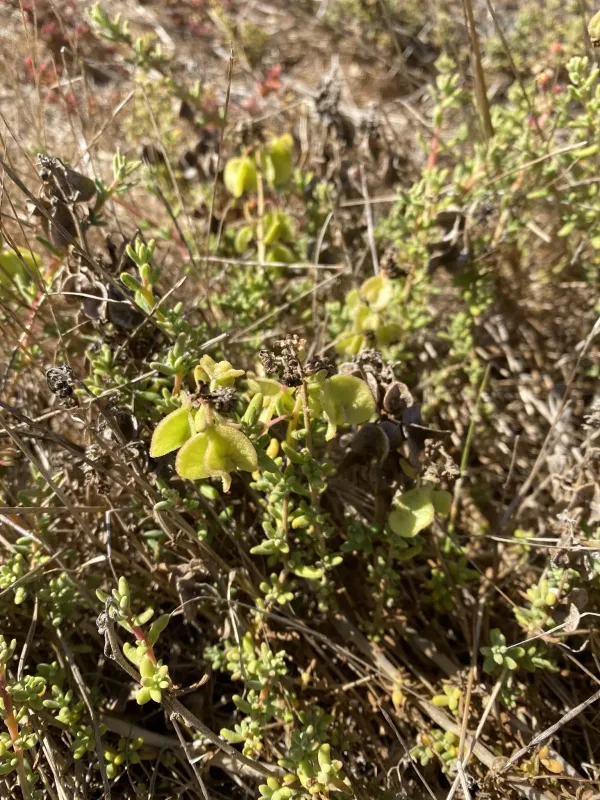
Description
Growing requirements
Tetragonia fruticosa is a perennial subshrub belonging to the Aizoaceae family. It is known for its remarkable ability to thrive in arid conditions, making it an interesting subject for studies regarding drought-tolerant agriculture in semi-desert environments.
Native to Southern Africa, this species has evolved to survive in coastal regions where high salinity and dry soil conditions are prevalent. Its biological structure allows it to function effectively as a halophyte, maintaining growth where many other crops would fail.
The plant features succulent leaves that serve as water storage organs. To optimize growth, it requires full sun exposure and well-draining, sandy soil. It is highly sensitive to waterlogging, so soil aeration is a critical factor for healthy root development.
Environmental requirements include a warm climate with minimal frost risk. While it can withstand periods of extreme drought, consistent light irrigation during the vegetative stage helps to maximize biomass production for its intended use as forage or ground cover.
Maintenance of the crop involves minimal input due to its natural hardiness. However, it requires careful spatial management to ensure that individual plants have enough room to spread, as its trailing habit is characteristic of the species.
Main diseases and pests
Fungal pathogens represent the primary threat to the health of Tetragonia fruticosa. In conditions of poor ventilation and high humidity, the plant is susceptible to various types of rot that can compromise its succulent stem structure.
Insect pests, such as aphids and spider mites, often target the succulent foliage. These pests thrive in dry, warm environments and can quickly infest a field if not managed during the early stages of the infestation cycle.
Effective management includes maintaining a dry foliage surface and ensuring proper spacing between plants to facilitate air movement. Chemical controls should be used sparingly, prioritizing integrated pest management strategies.
Root zone protection is paramount. Avoiding irrigation methods that splash water onto the leaves significantly reduces the likelihood of developing fungal leaf spots and stem diseases common in the Aizoaceae family.
Regular field inspections are essential for early detection of potential outbreaks. By removing any symptomatic plant material immediately, the spread of pathogens can be effectively contained within the agricultural system.