
Tanquana prismatica
Tanquana prismatica
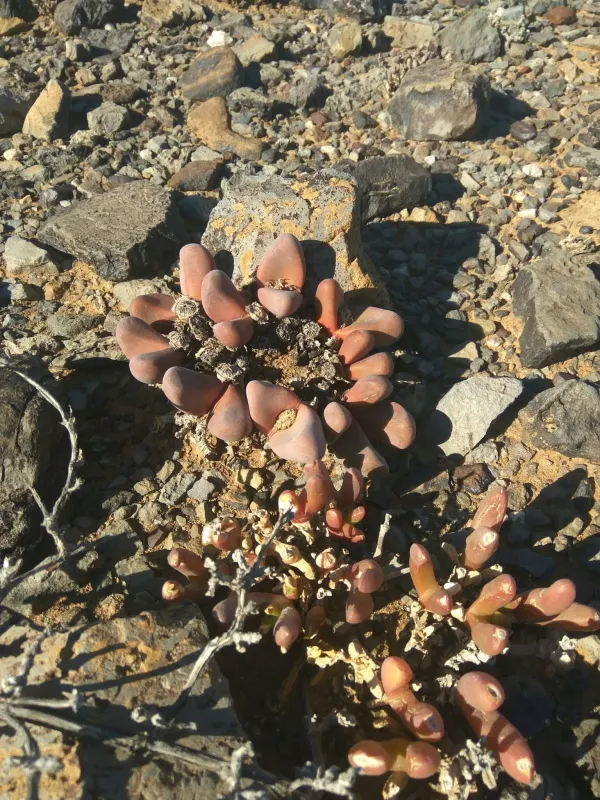
Description
Sowing dates
Tanquana prismatica, like most members of the Aizoaceae family, is primarily propagated through seeds. Sowing should take place in late winter or early spring when the photoperiod begins to increase, which is crucial for the healthy development of seedlings.
For sowing, use wide containers with drainage holes and a lightweight mineral substrate composed of sand, perlite, and a small amount of peat. Seeds should be distributed on the soil surface without covering them, or only lightly dusted with fine sand.
After sowing, cover the container with glass or plastic wrap to maintain high humidity levels, simulating greenhouse conditions. Daily airing of the seedbed prevents mold growth and prevents water stagnation on the substrate surface.
The temperature for germination must be consistently maintained between +20°C and +25°C. The first seedlings typically appear within 10 to 20 days if provided with sufficient light, but without exposure to direct, harsh sunlight.
Pricking out the young plants is only performed after they have formed their second pair of true leaves. Transplanting must be done with extreme care to avoid damaging the delicate root system of the young succulents.
Growing requirements
Tanquana prismatica is endemic to South Africa, so high light intensity is the primary requirement for its successful maintenance. Indoors or in greenhouses, the plant should be placed in the brightest possible location, preferably facing south.
The soil mixture must offer excellent drainage and aeration, as moisture stagnation is fatal to the culture. The optimal choice is a specialized succulent potting mix amended with coarse sand and fine gravel.
Watering must be strictly regulated: during the active growing season, water only after the substrate has completely dried out. In winter, the plant enters a dormant period, during which watering should be almost completely withheld, keeping the substrate dry.
The plant requires good air circulation, which helps prevent overheating in summer and combats excessive moisture. Sudden temperature fluctuations are undesirable, although the culture is naturally adapted to diurnal changes in its native habitat.
As a member of the "living stones" group, the plant requires a distinct seasonal cycle to thrive. Adhering to a dry winter dormant period allows the plant to develop new, healthy leaves and prepare for its flowering cycle.
Main diseases and pests
The main threat to the health of Tanquana is root and stem rot caused by overwatering or poor ventilation. Excess moisture leads to the rapid development of pathogenic fungi and bacteria.
Among pests, the mealybug poses the greatest danger, as it hides within the leaf folds. For prevention, inspect the plants regularly and treat them with systemic insecticides if any infestation is detected.
Spider mites may sometimes infest the plants, especially in environments with dry air and poor air circulation. Controlling them involves increasing humidity around the plant or utilizing specialized acaricides.
Poor agricultural practices often lead to physiological sunburn if the plant is suddenly moved from shade to direct sunlight. Sunburn manifests as whitish spots on the epidermis, which can provide entry points for secondary infections.
Prevention of all diseases is based on strict adherence to the watering schedule. If signs of rot are observed, the damaged part of the plant should be removed immediately, and the cut surfaces treated with crushed charcoal for disinfection.