
Tetragonia microptera
Tetragonia microptera
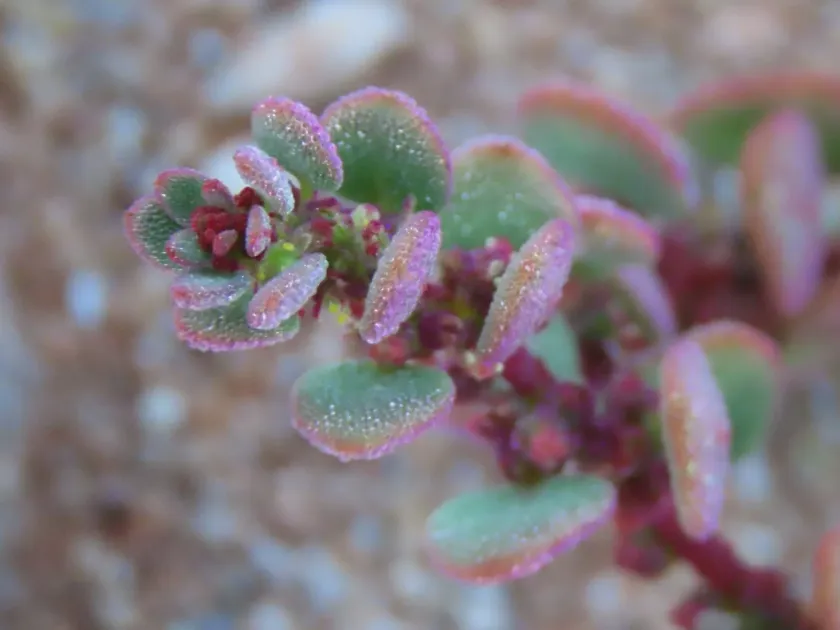
Description
Sowing dates
Tetragonia microptera belongs to the Aizoaceae family and is recognized for its ability to thrive under warm conditions where many other greens struggle.
The sowing season typically begins in late spring, once the soil temperatures consistently remain above 15 degrees Celsius to ensure uniform germination.
The seeds possess a hard seed coat, making pre-sowing soaking in warm water for 24 hours an essential step to improve the speed and percentage of germination.
Rows should be spaced approximately 45 to 50 centimeters apart, allowing for adequate air circulation and space for the plants to spread effectively.
A well-prepared seedbed with fine tilth is necessary for optimal root establishment, ensuring that the small seeds are not planted too deeply to maximize emergence rates.
Growing requirements
This plant prefers well-drained, sandy loam soils that are rich in organic matter, which supports the rapid development of its fleshy leaf structure.
Full sun exposure is critical for this species; it requires intense light to synthesize nutrients efficiently and maintain the desired culinary characteristics.
Although it exhibits good drought tolerance, regular watering is necessary during prolonged dry spells to ensure a continuous and productive harvest.
The crop responds well to balanced fertilization, although excessive nitrogen should be avoided to prevent watery growth that is prone to damage during transport.
Site selection should focus on areas with good airflow, as stagnant, humid air can create a microclimate conducive to various foliage-related issues.
Main diseases and pests
Slugs and snails are the primary pests that can significantly reduce crop quality by feeding on the tender young leaves during the night.
Root rot and soil-borne pathogens can occur if the soil remains waterlogged, making drainage management the primary defense against such threats.
Aphids may occasionally appear during periods of high heat; monitoring should be frequent to manage populations before they cause visible damage.
Integrated pest management, including the use of physical barriers and beneficial insects, is encouraged to maintain organic production standards.
Crop rotation is recommended to prevent the buildup of pathogens in the soil that can specifically target species within the Aizoaceae family.
Harvesting
The harvesting process begins once the plants have developed a healthy rosette of leaves, usually within 50 to 60 days after emergence.
Continuous harvesting involves trimming the terminal shoots, which encourages the plant to produce a steady stream of secondary lateral growth throughout the season.
Harvesting during the early morning hours helps ensure that the leaves maintain high water content, which is vital for post-harvest shelf life.
Care should be taken to avoid harvesting too heavily from a single plant at one time, as this can weaken the root system and diminish future productivity.
Post-harvest management involves cooling the greens quickly to maintain turgidity and preventing exposure to high temperatures that induce wilting.