
Tetragonia nigrescens
Tetragonia nigrescens
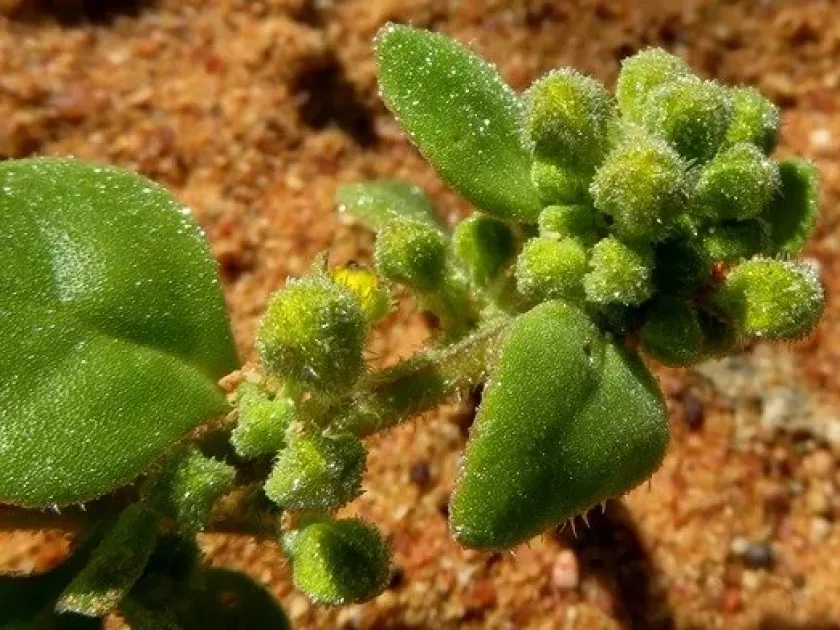
Description
Sowing dates
Tetragonia nigrescens belongs to the Aizoaceae family and is known for its resilient seeds. Before planting, it is highly recommended to soak the seeds in warm water for 24 hours to soften the outer shell and accelerate germination rates.
Sowing in open fields should commence when the soil temperature consistently reaches 12–15 degrees Celsius. Providing a spacing of at least 40–50 centimeters between plants is essential, as the species tends to sprawl significantly as it matures.
In regions with shorter growing seasons, starting the plants in pots indoors is the preferred method. This approach allows for a head start and protects vulnerable young seedlings from unexpected cold snaps in early spring.
The seeds should be planted at a depth of approximately 1.5–2 centimeters. Consistent moisture in the seedbed is critical during the first two weeks until the emergence of the first true leaves.
Proper thinning is necessary if the seeds were sown densely. Removing weaker seedlings early allows the stronger plants to develop a robust root system and a healthy canopy.
Growing requirements
Tetragonia nigrescens thrives in locations with full sun exposure. While it may survive in partial shade, optimal biomass production and succulent leaf quality are strictly dependent on intense sunlight.
The plant prefers well-drained, sandy loam soils. It is quite sensitive to waterlogging, so ensuring the growing site is well-drained is the most important factor in preventing root diseases.
Regarding soil chemistry, the plant performs best in neutral to slightly alkaline soil conditions. Amending the soil with organic matter such as mature compost prior to planting will greatly improve soil structure and nutrient availability.
The species displays a notable tolerance to salinity and can endure short periods of drought, making it a potentially valuable crop for marginal agricultural lands.
Maintaining a clean, weed-free environment during the initial growth phase is crucial, as the young plants are easily outcompeted by more aggressive weed species.
Yield
This crop is harvested by selectively picking tender leaves and fresh shoot tips. When managed correctly, the plant exhibits a high regenerative capacity, allowing for multiple harvests throughout the growing season.
To maximize yields, it is important to implement a regular watering schedule and provide nitrogen-rich fertilization after major harvests to support rapid regrowth of the foliage.
The total yield potential is high if the harvesting process is gentle. Avoiding damage to the main central stem is key, as this allows the plant to continue producing new branches from axillary buds.
Temperature plays a significant role in productivity. During moderate temperature conditions, the leaves remain tender and flavorful, whereas excessive heat may lead to premature flowering and a decrease in leaf quality.
A well-maintained plot can provide continuous harvests from late spring until the first autumn frosts, making it a highly reliable source of fresh greens.
Main diseases and pests
Like many leaf vegetables, Tetragonia nigrescens is susceptible to slugs and snails, especially during the early stages of growth when the foliage is soft and close to the ground.
Excessive atmospheric humidity can lead to fungal issues such as downy or powdery mildew. Ensuring adequate airflow between plants by maintaining proper spacing is the best preventative measure.
Aphids can occasionally colonize the younger shoots during hot and dry spells. Biological control methods, such as using insecticidal soaps, are safer than chemical pesticides for a crop intended for human consumption.
Root rot is almost exclusively associated with improper drainage. Monitoring soil moisture levels and avoiding overwatering is essential for maintaining plant health.
Implementing a crop rotation strategy prevents the buildup of soil-borne pathogens, ensuring the long-term sustainability of the planting area.
Harvesting
Harvesting should ideally occur early in the morning when the leaves are most turgid and hydrated. This ensures that the produce remains fresh and maintains its nutritional integrity longer after harvest.
Fresh leaves can be consumed raw in salads or cooked similarly to spinach. Their mild flavor and excellent texture make them a versatile ingredient in various culinary applications.
For storage, the harvested leaves should be kept in a cool environment, ideally in perforated bags in a refrigerator at 2–4 degrees Celsius to maintain quality for up to a week.
Blanching the leaves for one minute followed by immediate cooling allows for effective freezing, preserving the nutritional value and color for long-term storage during the off-season.
Careful handling during harvest is paramount; avoiding rough contact prevents bruising, which can lead to rapid deterioration of the foliage.