
Ruschia caroli
Ruschia caroli
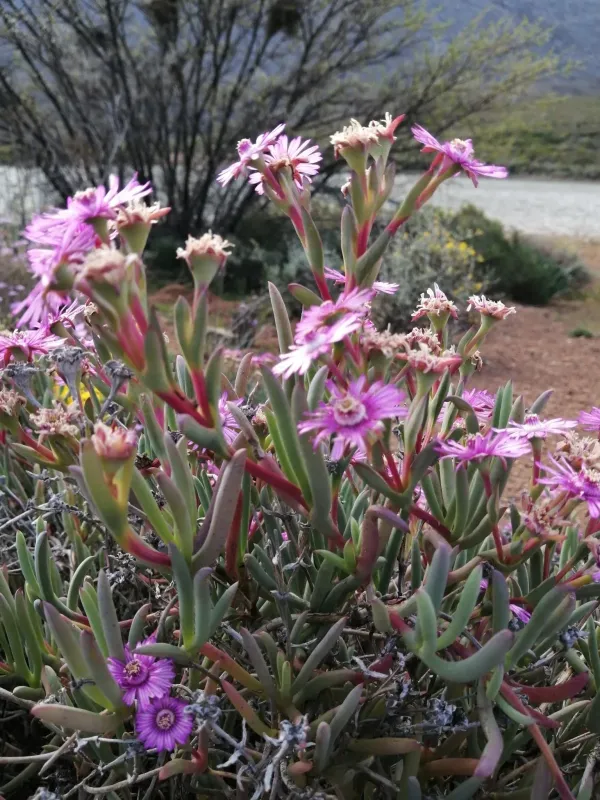
Description
Sowing dates
Propagation of this crop is typically achieved through seeds or stem cuttings. Sowing should ideally take place in early spring when temperatures remain consistently warm.
Seeds should be sown in a well-draining, sandy substrate and covered only lightly, as they require light to germinate effectively. Maintaining a slightly moist surface is crucial until germination occurs.
Seedlings should be pricked out once they develop their first set of true leaves. Providing sufficient light is essential to prevent etiolation, which results in weak, spindly stems.
When propagating via cuttings, it is vital to let the cut surface callus over for about two days before planting. This helps prevent rot when the cutting is placed in the substrate.
The optimal temperature range for seed germination is between +20 and +24 degrees Celsius. Adhering to these conditions allows the plants to establish a strong root system early on.
Growing requirements
Ruschia caroli belongs to the Aizoaceae family and is a characteristic succulent. Native to the arid regions of Southern Africa, it is naturally adapted to extreme heat and infrequent rainfall.
Successful cultivation requires sandy or gravelly soil with exceptional drainage. Water stagnation in the root zone is extremely detrimental and often leads to rapid decay of the plant.
This plant is strictly heliophilic, requiring a location with direct, intense sunlight. Insufficient exposure to light significantly reduces the aesthetic appeal and structural integrity of the plant.
The ideal climate for this species includes low humidity, which helps prevent fungal infections. While the plant can tolerate minor temperature fluctuations, it is not considered frost-hardy.
In terms of practical use, it is highly valued as a ground cover in xeriscaping and rock gardens. Its compact habit makes it ideal for container gardening and arid climate landscaping.
Main diseases and pests
The primary threat to Ruschia caroli is overwatering, which quickly causes root rot. The affected tissues typically turn soft and mushy, leading to the collapse of the plant structure.
Pests such as mealybugs are the most common issue, hiding in leaf axils and extracting sap. Their presence is usually marked by the appearance of white, cotton-like substance.
Spider mites may also infest the plant if humidity levels are too low and air circulation is poor. Applying appropriate miticides is necessary to mitigate damage to the foliage.
Preventative care centers on strictly controlled watering and maximizing airflow around the plant. Any diseased portions must be pruned away immediately to prevent the spread of decay.
- Strict drainage management.
- Regular inspections for pest activity.
- Strategic use of specialized pesticides.