
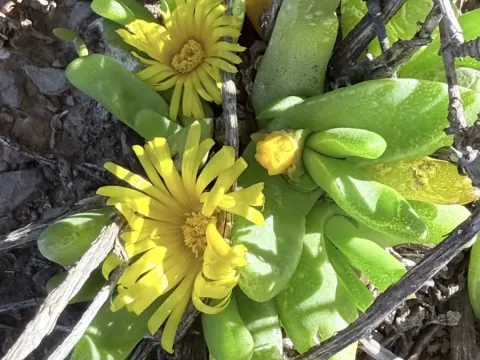
Glottiphyllum
Glottiphyllum
Propagation of Glottiphyllum is primarily achieved through seeds or stem cuttings during the active growing season. Seeds should be sown on the surface of a porous, sandy-based medium, as they require light and air circulation to germinate effectively without rotting.
What the section contains

Glottiphyllum
Optimal germination occurs at temperatures between 20°C and 25°C. Consistent but light moisture is essential during the initial weeks, ensuring the surface does not remain waterlogged. Using a fine spray bottle for misting helps to maintain humidity without displacing the tiny seeds.
Seedlings develop slowly and require careful handling during the first transplanting stage. Once they reach a size sufficient for moving, they should be transferred to individual small pots with excellent drainage to prevent the development of damping-off disease.
Vegetative propagation via cuttings is a highly effective method. Cuttings should be taken with a clean blade and allowed to callous in a dry area for several days to prevent moisture-related infections before being placed into a dry, gritty substrate.
Rooting typically begins within a few weeks when cuttings are kept in a warm environment with minimal moisture. Once new growth is visible, regular care routines similar to those for mature plants can be gradually introduced.
Glottiphyllum, a genus belonging to the Aizoaceae family, is native to the arid regions of South Africa. These succulent plants have evolved to store water within their succulent, tongue-shaped leaves, allowing them to withstand significant drought periods.
Cultivation requires maximum sun exposure to maintain compact growth. In indoor environments, placing the plants in south-facing windows is crucial, as inadequate light leads to etiolation, where the plant stretches and loses its structural integrity and vigor.
The growing medium must be highly inorganic and free-draining. A professional-grade succulent mix, supplemented with pumice, perlite, or crushed granite, ensures that roots have access to oxygen and that excess water is drained away immediately after irrigation.
Temperature management is vital: they thrive in warm summer conditions (20-28°C) but require a distinct winter dormancy period at cooler temperatures (10-15°C). Reducing watering significantly during dormancy is necessary to trigger the natural physiological cycle for spring flowering.
Irrigation should follow the "soak and dry" method, where the soil is allowed to dry out completely before the next watering event. Over-watering is the primary cause of failure, as it quickly leads to tissue collapse and root necrosis.
The most significant threat to Glottiphyllum is the presence of fungal pathogens triggered by poor drainage or over-watering. Root rot can manifest rapidly, and once systemic, it is often irreversible, making prevention the primary strategy in their management.
Pests such as mealybugs and spider mites frequently target these succulents, particularly when air humidity is low or ventilation is stagnant. Mealybugs hide in the crevices between leaves, making them difficult to detect until an infestation becomes severe.
Regular inspection and manual removal of pests can be combined with appropriate systemic insecticides. For organic control, neem oil or horticultural soaps may be applied, ensuring that the plant is not kept under direct, harsh sunlight immediately following application.
Physiological issues resulting from inadequate cultural practices often mimic disease symptoms. For instance, leaf splitting can occur if the plant is suddenly watered heavily after a long period of severe drought, emphasizing the need for consistent monitoring of water intake.
- Root rot from over-watering
- Mealybug infestations in leaf axils
- Spider mite damage in dry climates
- Physiological leaf splitting due to inconsistent irrigation