
Lampranthus pocockiae
Lampranthus pocockiae (L. Bolus) N. E. Br.
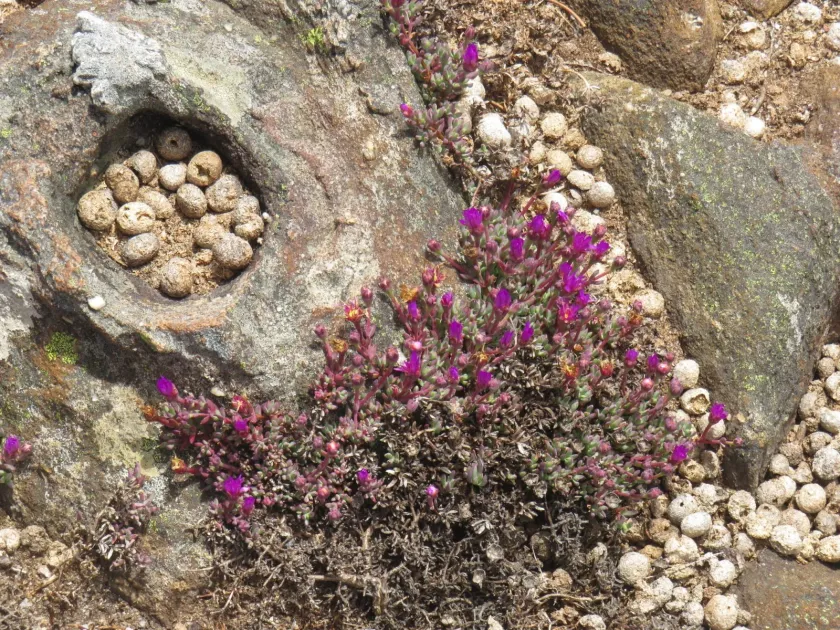
Description
Growing requirements
Lampranthus pocockiae is a perennial succulent species belonging to the Aizoaceae family. In an agricultural and horticultural context, it is valued as an ornamental plant characterized by its robust habit and adaptation to arid environments.
Originating from South Africa, this species is naturally adapted to high light intensity and poor soil conditions. It requires a sunny location for optimal performance; lack of light leads to weak, elongated stems and a reduction in flower production.
Soil requirements focus on excellent drainage capacity to prevent moisture accumulation. A sandy or gravelly substrate with a low organic content is ideal for mimicking the native habitat and maintaining healthy root development.
The plant demonstrates significant drought tolerance but requires careful irrigation during the active growing season. It is critical to allow the growing medium to dry out completely between watering sessions to avoid the risk of root rot.
Temperature management is crucial as Lampranthus pocockiae is not frost-tolerant. It thrives in warm conditions but must be protected from temperatures dropping below 5 °C to prevent cell damage caused by cold, particularly in damp conditions.
Main diseases and pests
Root and stem rot are the primary threats to the health of Lampranthus pocockiae. These conditions are almost exclusively caused by overwatering or inadequate soil drainage, leading to the rapid decay of succulent tissues.
Mealybugs are common pests that attack this species by feeding on sap in leaf axils and stems. Their presence can severely weaken the plant and lead to stunted growth if not managed through timely application of systemic insecticides.
Spider mites represent another risk factor, especially in environments with low humidity. They typically infest the plant during hot, dry periods, causing discoloration and physical damage to the leaves that reduces the plant's overall aesthetic value.
Aphids may infest flower buds, extracting plant fluids and potentiality vectoring viral diseases. Regular monitoring and physical removal or appropriate chemical control are necessary to maintain the health of the specimens.
Effective management of these threats relies heavily on proper cultural practices. Ensuring adequate spacing between individual plants and maintaining good airflow are essential strategies for minimizing pest incidence and disease spread.