
Lampranthus bicolor
Lampranthus bicolor (L.) N. E. Br.
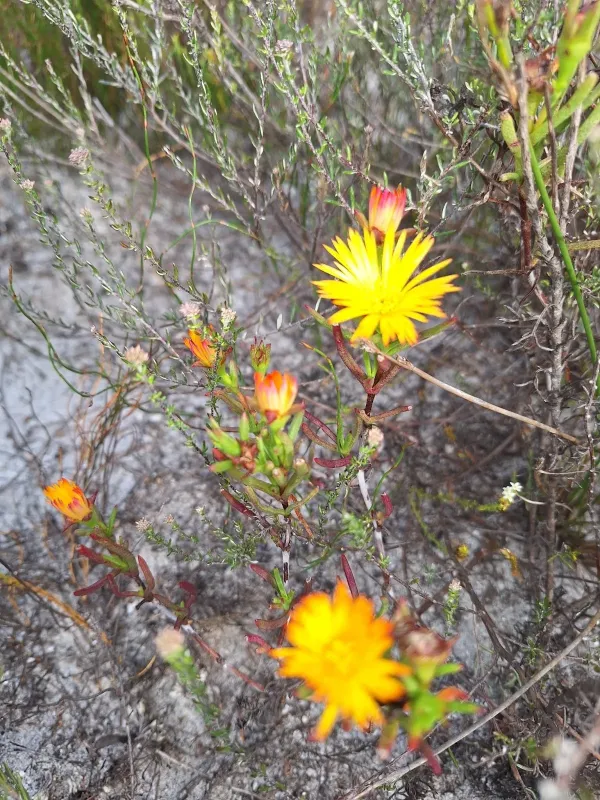
Description
Sowing dates
Seeds of Lampranthus bicolor are typically sown in late winter or early spring, around February or March. They should be sown in a light, sandy substrate, barely covering them with soil as they require light to germinate effectively.
To ensure successful germination, the tray should be covered with glass or plastic wrap to maintain consistent humidity. The optimal temperature for seedling emergence is between +20…+22 °C.
Once the first true leaves appear, the seedlings should be pricked out into individual pots or cell trays. Growth is relatively slow during the initial phase, so providing sufficient light and avoiding waterlogging is essential for healthy development.
Transplanting into open ground should only occur after the risk of frost has passed. As a heat-loving culture, Lampranthus may suffer from growth stagnation if planted in cold soil too early in the season.
When planting in the garden, ensure a spacing of at least 20–30 cm between plants. This distance allows for adequate air circulation and prevents the overcrowding that can lead to disease.
Growing requirements
Lampranthus bicolor belongs to the Aizoaceae family and is a perennial semi-shrub succulent. Originating from the arid regions of South Africa, it is inherently well-adapted to drought conditions.
This crop requires full sun to thrive; insufficient light leads to leggy, weak stems and sparse flowering. In shaded areas, the plant quickly loses its compact and attractive habit.
The soil must have excellent drainage and air permeability. Ideally, the plants should be grown in poor, sandy, or rocky substrates with a neutral to slightly acidic pH level.
The plant is highly sensitive to water stagnation around the root zone. Excessive watering or heavy clay soils will cause rapid root rot, which is often fatal for the specimen.
In regions with cold winters, the plant is usually treated as an annual or a container perennial. If kept in pots, it must be moved to a frost-free, heated space when temperatures drop below +5 °C.
Main diseases and pests
The primary threat to Lampranthus is fungal rot, usually caused by improper irrigation practices. Root crown damage is particularly common during periods of prolonged rainfall if planted in the open garden.
Mealybugs are the most persistent pests, often hiding in the axils of the succulent leaves. They extract sap, weakening the plant, and require prompt intervention with appropriate insecticides to prevent infestation.
Spider mites are also frequent visitors, especially in hot, dry conditions with poor air circulation. They feed on the leaf epidermis, causing yellowing and gradual desiccation of the affected plant tissue.
Aphids may target tender flower buds, preventing them from opening properly. Systemic insecticides can be used for control, provided the products chosen are safe for use on ornamental garden plants.
To prevent these issues, maintaining a strict watering regime and avoiding crowded planting patterns is critical. Proper drainage is the most vital factor for maintaining long-term plant health.
Harvesting
The primary use of Lampranthus bicolor is ornamental, specifically for landscaping and rock garden displays. It is prized for its profuse blooming, where the vibrant flowers blanket the foliage entirely.
Harvesting seeds for future propagation is possible at the end of the summer season once the seed pods have fully matured. It is crucial to collect them during dry, sunny weather to prevent mold growth within the pods.
For container-grown plants, management involves deadheading spent flowers to stimulate a second flush of blooms. This practice maintains the plant's aesthetic appeal throughout the growing season.
Autumn preparation involves either transplanting the mother plants into containers for winter storage or clearing the site of all plant debris if the specimen was treated as a seasonal annual.
As this is not an edible or industrial crop, productivity is evaluated visually based on the density of ground coverage and the intensity of the floral display throughout the season.