
Lampranthus
Lampranthus bicolor (L.) N. E. Br. x Lampranthus pocockiae (L. Bolus) N. E. Br.
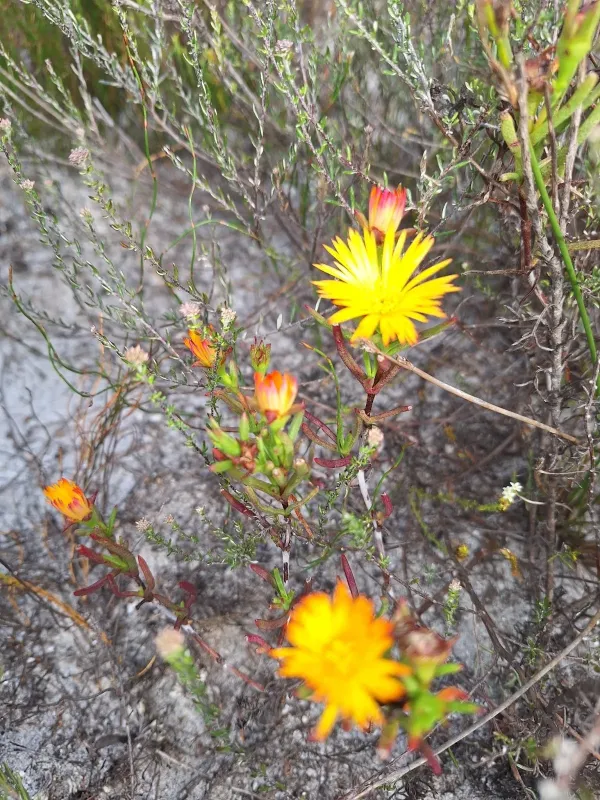
Description
Growing requirements
Lampranthus is a genus of succulent perennial plants belonging to the Aizoaceae family. These plants are characterized by fleshy, succulent leaves and vibrant flowers, often used in landscaping for drought-prone areas due to their exceptional water-storage capabilities.
Originating from the arid regions of Southern Africa, the species requires intense solar radiation to thrive. Cultivation should be restricted to full-sun locations where the plant can receive direct sunlight for the majority of the day to ensure proper flower initiation.
Soil requirements are centered on excellent drainage. The substrate must be porous, typically composed of sandy or rocky components with minimal organic matter. Soil compaction or water retention around the roots is detrimental and often leads to physiological collapse.
Climatic adaptability is very limited; the plant is strictly heat-loving and non-frost-hardy. In temperate climates, it is cultivated as an annual or as a pot plant that must be moved indoors before the onset of the first autumnal frosts to avoid thermal damage.
Cultural practices prioritize the dry-soil irrigation method. During the active growing season, the substrate must be allowed to dry completely between watering sessions. During winter, the plant enters a period of dormancy, and irrigation should be reduced to only what is necessary to prevent severe tissue shriveling.
Main diseases and pests
The primary threats to Lampranthus are fungal diseases associated with excess moisture, such as Pythium root rot. These diseases manifest as sudden wilting and discoloration of the base of the stems, often resulting in complete plant death if not addressed immediately.
Pest issues include mealybugs, which are particularly problematic as they hide in the dense foliage of the succulent. They extract sap, weakening the plant and encouraging the growth of sooty mold on the leaf surfaces.
Spider mites are common in indoor cultivation environments where humidity levels are chronically low. These pests cause yellowing and stippling of the foliage, eventually leading to premature leaf drop.
Management of these pests requires a combination of physical removal (for light infestations) and the application of targeted insecticides or acaricides that are safe for succulent species.
Overall, plant health is best maintained by ensuring a high degree of airflow and strictly adhering to dry cultivation practices to mitigate the risk of pathogen proliferation in the substrate.