
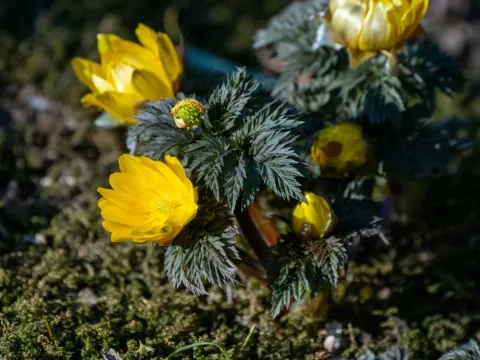
Adonis multiflora
Adonis multiflora Nishikawa & Koji Ito
Adonis multiflora, commonly known as the many-flowered adonis, belongs to the Ranunculaceae family. This perennial plant is native to Japan, specifically found in forest fringes and mountain slopes where it thrives in semi-shaded environments with cool air circulation.
What the section contains
Adonis multiflora
Botanically, this species is distinguished by its short, thick rhizome and feathery, deeply dissected leaves. The primary feature that distinguishes it from other species in the genus is the higher number of petals per flower, which creates a lush, golden display during the early spring bloom.
Cultivation success relies heavily on soil selection. The plant requires light, well-draining soil that is rich in organic matter. Heavy clay soils are unsuitable unless amended with significant amounts of organic material and grit to improve permeability, as the plant is highly susceptible to root rot.
Environmental conditions should mimic its natural habitat. The plant prefers mild temperatures between 12°C and 18°C. While it is hardy in colder climates, it benefits from a light layer of winter mulch to protect the rhizomes from temperature fluctuations during the dormant winter months.
In terms of usage, this plant is primarily cultivated as an ornamental element in woodland gardens, rock gardens, and specialized botanical collections. Due to its limited natural range and specific environmental needs, it is considered a collector's plant rather than a widespread agricultural crop.
The most significant threat to the health of Adonis multiflora is fungal infection caused by damp conditions. Root and crown rot represent the most lethal threats, usually manifesting after prolonged periods of heavy rainfall or poor soil drainage that leads to anaerobic conditions.
Pest pressures are generally manageable, with slugs and snails posing the greatest risk during the tender spring growth phase. Protecting young shoots with organic barriers or bait traps is a standard practice for maintaining the plant’s aesthetic value throughout the growing season.
Foliar diseases such as leaf spots can occasionally occur if air circulation is restricted. Pruning back overgrown nearby foliage and ensuring adequate space between plantings significantly reduces the incidence of humidity-related pathogens and improves the overall vitality of the root system.
Monitoring for soil-borne pathogens is essential when introducing new plants into an established bed. It is highly recommended to isolate new specimens for a short period to ensure they are free of systemic fungal or bacterial issues that could jeopardize the existing population.
Because the entire plant contains cardiac glycosides, it is poisonous if ingested. Gardeners must wear protective gloves during all handling tasks, including disease management and pruning, to avoid skin irritation and accidental ingestion of toxic plant sap.