
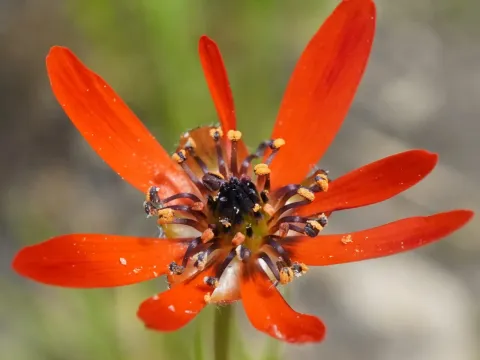
Adonis flammea
Adonis flammea
Adonis flammea is an annual herbaceous plant belonging to the Ranunculaceae family. It is typically propagated by sowing seeds directly into the prepared soil.
What the section contains
Adonis flammea
The optimal time for sowing is during early spring once the ground has thawed, or in late autumn for natural overwintering of the seeds in the garden.
Seeds of this species often exhibit dormancy and may require stratification to achieve uniform and successful germination rates throughout the planting site.
Spacing between plants should be carefully managed to ensure adequate ventilation and light exposure, which are vital for the healthy development of this species.
Sowing at a depth of approximately 1 centimeter is recommended to maintain optimal moisture levels while allowing the seedling to emerge without excessive effort.
This crop thrives in full sun exposure and requires well-drained, fertile soil, ideally with a slightly alkaline or neutral pH balance for best performance.
While the plant is relatively drought-tolerant once established, regular irrigation is highly recommended during the flowering phase to maintain vibrant blossoms.
Proper soil structure is essential, as waterlogged conditions can lead to root rot, which is the most common cause of failure in cultivating this plant.
It prefers sites where it can remain undisturbed, as it does not respond well to transplanting due to its sensitive and fragile root system.
Regular maintenance, including weeding and keeping the soil surface loose, is crucial for promoting vigorous growth and preventing competitive weed pressure.
The primary diseases affecting Adonis flammea are fungal infections, particularly powdery mildew, which flourish in stagnant, humid environments.
Pests such as aphids and spider mites can be problematic, especially in warm, dry weather conditions when the plant's natural defenses may be weakened.
Preventative measures include ensuring good air circulation around the plants and avoiding overhead irrigation that leaves foliage wet for extended periods.
If infestation occurs, the use of targeted insecticidal soaps or horticultural oils can help manage pest populations without damaging the plant itself.
Monitoring the plants regularly allows for early detection of potential issues, ensuring that the health and aesthetic value of the planting are preserved.