
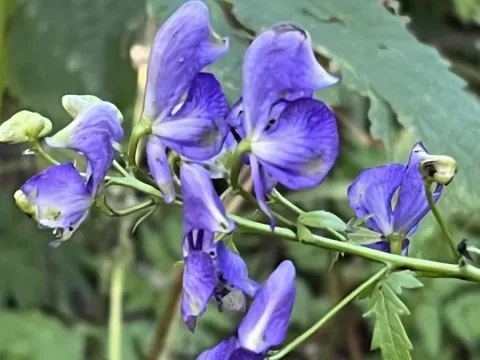
Aconitum variegatum
Aconitum variegatum
Seeds of Aconitum variegatum require a cold stratification process to overcome dormancy, which is why sowing is often performed in late autumn for winter exposure.
What the section contains
Aconitum variegatum
If spring sowing is preferred, seeds must be kept in a controlled, refrigerated environment for several months to mimic winter conditions and trigger germination.
The seeds should be sown at a shallow depth of approximately 1 to 2 centimeters to ensure they have enough access to moisture while not being buried too deep.
Germination can be erratic and slow, so keeping the seedbed moist and weed-free is crucial for successful establishment of the seedlings.
In intensive production, dividing established tuberous roots is a more reliable and faster method to propagate the species than relying on seed sowing.
Aconitum variegatum, a member of the Ranunculaceae family, is a perennial herb characterized by its distinct foliage and striking, often bi-colored, inflorescences.
The species thrives in rich, moisture-retentive, and well-drained loam soils, showing poor tolerance for both waterlogged areas and prolonged drought conditions.
As a forest-margin native, it prefers partial shade locations, where it can be protected from the intense heat and direct sunlight during the afternoon hours.
This plant is noted for its high cold hardiness, allowing it to survive through harsh winters in various temperate climates without significant protection.
Agricultural management includes routine mulching to maintain consistent soil moisture and suppress competition from weeds, which can easily overwhelm young plants.
Powdery mildew represents a significant fungal threat, especially in humid and stagnant air conditions, which can lead to unsightly foliage and reduced plant vigor.
Root rot, often caused by poor drainage or overwatering, is the primary threat to the longevity of the plant, potentially leading to total crop failure.
Pests such as aphids and leaf nematodes frequently infest the plants, causing structural damage and serving as vectors for various plant viruses.
Integrated pest management strategies are advised, focusing on preventative sanitation measures such as removing infected leaves and optimizing airflow.
Chemical control with systemic fungicides and insecticides should be used as a last resort, strictly following the safety guidelines for poisonous crops.
Due to the high toxicity of alkaloids present in Aconitum variegatum, the harvest of its foliage and roots is restricted to highly specialized laboratory settings.
The aerial parts are harvested at the onset of flowering, when the secondary metabolite content in the tissues is considered to be at its highest level.
Root harvesting is performed during the dormant autumn phase, requiring careful cleaning and processing to ensure the safety of the handlers involved.
All personnel must wear comprehensive personal protective equipment, including gloves and face protection, to prevent accidental contact with the toxic plant sap.
The collected raw material must be dried at controlled temperatures in isolated drying chambers to maintain chemical stability for further pharmaceutical analysis.