
Adderstongue spearwort
Ranunculus ophioglossifolius
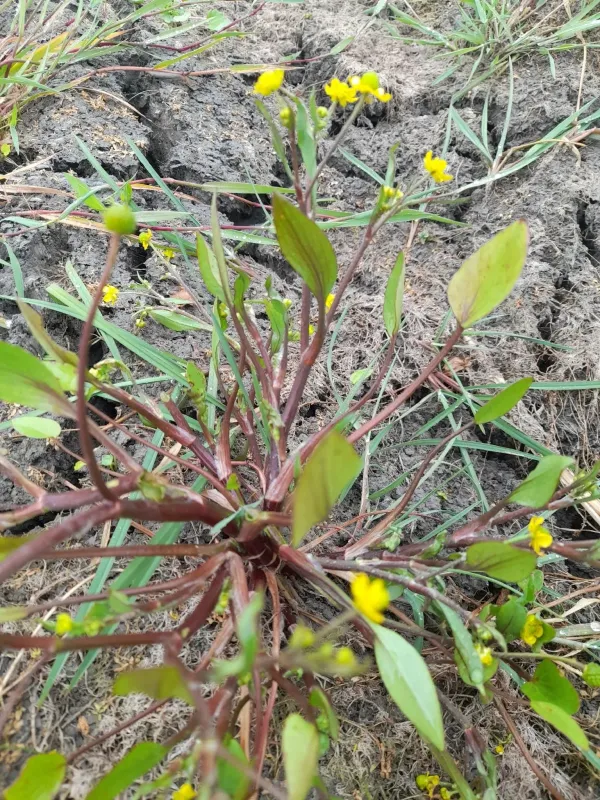
Description
Growing requirements
Adderstongue spearwort (Ranunculus ophioglossifolius) is a rare herbaceous plant member of the Ranunculaceae family. It is distinct for its specific environmental adaptations rather than broad commercial cultivation.
This species is primarily found in wetland habitats, particularly in areas that undergo seasonal flooding. It thrives on heavy clay soils and silt deposits found along the margins of ponds and temporary water bodies.
The botanical structure of the plant features specialized foliage capable of enduring saturated soil conditions, which allows it to colonize zones unsuitable for most standard agricultural crops.
Regarding climate, the plant prefers regions with high atmospheric humidity and mild temperatures. It requires a stable hydrological environment to ensure the completion of its annual life cycle.
Adequate sunlight is a mandatory requirement for its development. The plant is highly competitive in its specialized niche but lacks the resources to survive in overgrown, shaded habitats.
Main diseases and pests
The primary threat to Ranunculus ophioglossifolius is the drainage of wetlands and river floodplains for agricultural intensification, which destroys its specific micro-habitat.
Pollution from agricultural runoff, including pesticides and herbicides, poses a significant risk to the plant due to its low chemical tolerance and delicate growth structure.
Overgrazing by livestock in wetland areas leads to soil compaction and mechanical damage, preventing the successful establishment of new seedlings during the growing season.
Disease threats involve opportunistic fungal pathogens that thrive in stagnant water, especially when nutrient levels in the water are artificially elevated by external fertilizers.
Invasive plant species present a major challenge, as they can quickly colonize the habitat when the water table drops, effectively choking out the adderstongue spearwort.