
Aconitum yamazakii
Aconitum yamazakii
Description
Growing requirements
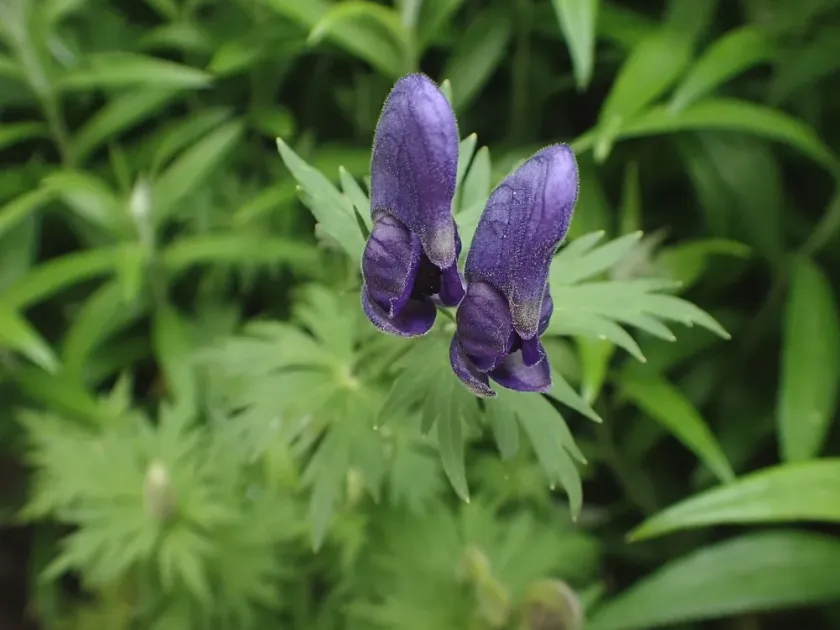
Aconitum yamazakii is a perennial herbaceous plant belonging to the Ranunculaceae family. Native to the mountainous regions of Japan, this species is noted for its architectural beauty and significant toxicological properties due to its alkaloid content.
The plant grows from tuberous roots, producing upright, sturdy stems that can reach heights of over one meter. Its deeply lobed, palmately divided leaves provide a lush appearance throughout the growing season.
For optimal growth, Aconitum yamazakii requires a location with partial shade or filtered light. Exposure to intense midday sun is detrimental to the plant, often causing leaf scorch and premature dormancy.
The ideal soil substrate should be rich in organic matter, slightly acidic to neutral, and well-draining. While the plant loves moisture, it cannot tolerate waterlogged conditions, which may cause the roots to rot rapidly.
Maintenance involves ensuring consistent moisture levels, particularly during dry spells. Despite being hardy, the plant requires protective equipment during handling, as all parts contain potent toxins that can be absorbed through the skin.
Main diseases and pests
Powdery mildew is the most common fungal ailment affecting Aconitum yamazakii, especially when plants are grown in crowded areas with poor airflow and high humidity levels.
Root rot remains a critical threat to the longevity of the plant, often triggered by excessive soil moisture or improper drainage in the planting site.
Pests such as aphids are frequently observed clustering on the tender buds and young foliage, sapping the plant's vitality and potentially transmitting viral infections.
Leaf nematodes present a more insidious problem, causing yellowing and distortion of leaves which can eventually weaken the entire rootstock if left unmanaged.
Effective management strategies include maintaining proper spacing between plants, implementing a clean sanitation routine by removing debris, and applying targeted fungicides or insecticides when necessary.